Thinking about buying in Destin but unsure how the market really works? You’re not alone. Out-of-state buyers and investors often find the mix of luxury, beach proximity, and short-term rental demand tough to decode. In this guide, you’ll learn how Destin’s micro-market behaves, which metrics actually matter, how seasonality shapes price and leverage, and what to do to write a winning offer. Let’s dive in.
Why Destin behaves differently
Destin is a tourism-driven market where beach access, boating, and vacation appeal fuel demand. Visitor flow, rental occupancy, and average daily rates influence revenue for short-term rentals, which then affects buyer interest and pricing for gulf-front inventory. A large share of buyers are non-resident or seasonal owners, so transaction timing often lines up with travel windows.
You also see steady demand from retirement migration and remote work. Florida’s tax advantages add appeal for higher-end properties fit for year-round use. At the same time, insurance and climate risk shape value. Wind and flood exposure, storm surge risk, and reinsurance trends can raise premiums or alter coverage terms. These carrying costs directly impact affordability and investor underwriting.
On the supply side, product type matters:
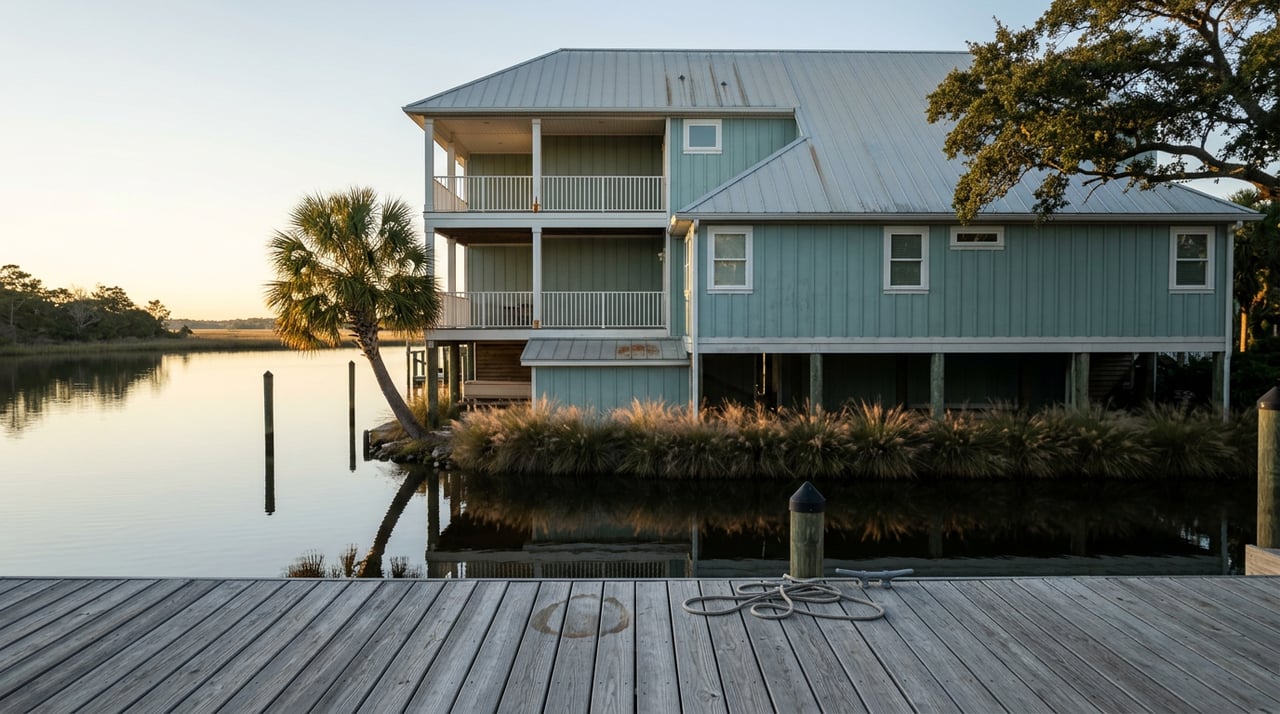
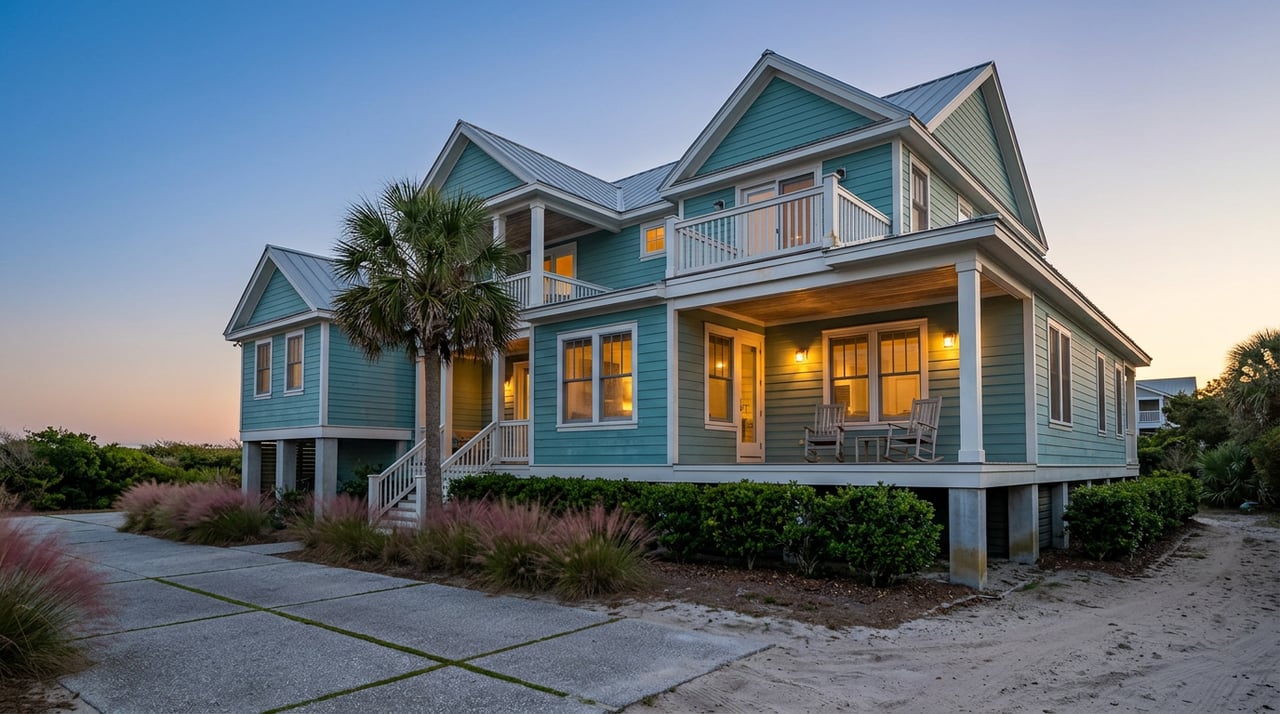
- Gulf-front single-family homes are scarce, sell at a premium, and are sensitive to elevation, dune access, and hardening measures.
- Gulf-front condos are more plentiful and often investor favorites when rental-friendly, but values hinge on HOA rules and resort management agreements.
- Luxury non-gulf homes can trade at lower price per square foot than prime waterfront as some buyers prioritize privacy and lot size over direct beach access.
Regulatory and cost factors also affect value. HOA and local short-term rental rules, property taxes and Florida exemptions, and changing insurance availability can all shift demand and price. Out-of-state buyers should plan for non-homestead taxes and confirm current rules with HOAs and the city or county.
The metrics that matter
Inventory and absorption
Start with active inventory and watch how it trends over the last 3 and 12 months. Pair that with the pending-to-active ratio to see real-time heat. The months of inventory (MOI) metric is your leverage gauge. As a rule of thumb, less than 3 months signals a seller’s market, 3 to 6 months looks balanced, and more than 6 months favors buyers. Luxury and gulf-front often show thinner, more volatile readings than the broader market, so track them as their own segments.
Pricing signals
Median and mean sold prices help, but they can miss the story in the luxury tier. Add the 75th and 90th percentiles to understand upper-market movement. Use price per square foot for apples-to-apples only where product is comparable, like condo-to-condo within the same or similar complexes. Also watch the share of cash sales, which often runs higher in the luxury and investor segments and can sway seller preferences.
Speed and leverage
Days on market (DOM) shows how fast well-positioned listings move. Luxury homes often take longer than mid-market listings, but prime gulf-front and turnkey rental-ready listings can move fast in demand periods. The list-to-sale price ratio is your negotiation compass. In tighter windows, competitive listings sell close to or above list; in softer periods, discounts in the 90 to 95 percent range are more common depending on condition and contingencies.
Seasonality and STR shape pricing
Two cycles you must watch
Destin runs on two overlapping cycles. The buyer visitation season typically rises in late fall through spring when out-of-state buyers travel, which can increase competition and shorten DOM for move-in ready homes. The vacation rental season often peaks late spring through summer, which drives occupancy and ADR. If you’re investing, model revenue with seasonal weights by month, not a flat annual average.
Listing strategy and offer timing follow these cycles. Sellers who list into peak travel windows often see stronger activity. Shoulder seasons can bring more inventory and better negotiation opportunities. Investors should decide whether they want to buy for immediate in-season cash flow or to lock a lower price in the off-season with delayed income.
STR rules impact value
Rental-ready homes and condos with proven performance often command a premium because you can go live and generate revenue fast. Conversely, rental restrictions like minimum-stay rules can reduce investor demand and price. Always verify HOA or condo rental policies and any resort management terms before you offer. Use STR data sources to understand occupancy, ADR, and seasonality trends at the building or micro-neighborhood level.
Offer timing and negotiation in Destin
When to act fast
In peak windows when buyer travel and inventory collide, the best gulf-front and luxury listings can move quickly. Be ready with proof of funds or a strong pre-approval, and a clean, timely offer. Sellers often prefer fewer contingencies, shorter inspection periods, and certainty of close. Expect competitive list-to-sale ratios and, at times, multiple offers for well-positioned properties.
When to seek concessions
In off-peak periods, you can often negotiate on price, request seller credits for closing costs, or extend due diligence windows. Focus on condition items that impact insurance or rental readiness. If the listing has lagged on market, consider an offer with clear repair language or credit requests tied to inspection findings.
Investors: align timing with cash flow
If you buy at the end of a busy rental season, you may secure immediate revenue handoff, but competition can be higher. If you buy in the off-season, you might negotiate a better price, though cash flow starts later. Budget operating reserves for the off-season either way.
Due diligence checklist before you offer
Use this checklist to reduce surprises and sharpen your valuation:
- Recent comparable sales for the same product type and micro-area across 90, 180, and 365 days, including list-to-sale ratio and DOM.
- Active, pending, and sold counts by segment and price band.
- HOA or condo rental policies, minimum stays, caps, and any resort management agreements.
- Documented STR performance if marketed as rental-ready, plus management assumptions and fees.
- Insurance indications for wind and flood, including deductibles and any special coverage requirements.
- FEMA flood zone, elevation data, and any planned dune or beach renourishment projects.
- Property tax history and current millage rates.
How to structure a winning offer
The structure of your offer can be worth as much as a few percentage points of price. Consider these levers:
- Cash vs financing: Cash reduces appraisal risk and time to close. If financing, include a strong pre-approval and plan for appraisal gaps on unique luxury assets.
- Contingency strategy: Keep inspection and financing contingencies, but tighten timelines to compete. Use a well-written inspection addendum instead of waiving inspection.
- Escalation clause: In multiple-offer scenarios, an escalation clause with a clear cap and proof of funds can help, but know your appraisal risk.
- Earnest money and timing: Larger earnest deposits and flexible closing dates can stand out, especially if the seller needs time to relocate or coordinate a 1031 exchange.
- Appraisal gap planning: For thin comps on gulf-front or custom homes, be ready to cover a shortfall if the appraisal lands below contract.
- Credits vs price: In buyer-favorable conditions, prioritize seller credits for closing costs or repairs that reduce your cash outlay or improve ROI.
Financing, insurance, and condo specifics
Lenders treat short-term rental income differently than traditional primary or second homes. Confirm early how your lender will underwrite rental income and whether the condo project meets eligibility rules. Factors like the number of units used as rentals, HOA reserves, and any litigation can affect approval.
Flood and wind insurance are major line items on the coast. Features like roof straps, impact windows, and secondary water barriers can reduce premiums, so document them during inspection and ask for wind mitigation reports. Always obtain current written quotes before finalizing valuation.
For investors: underwriting the coast
Expect lower cap rates on the very best gulf-front product due to scarcity and lifestyle value. Use conservative occupancy and ADR assumptions and test downside cases. Budget for professional management, housekeeping and linen logistics, routine maintenance, and reserves for weather-related downtime. Keep an eye on local ordinance changes and HOA rule updates, and factor regulatory risk into your pricing.
What to request from your agent
Ask for segment-specific reporting and sources that speak to Destin’s micro-market:
- MLS snapshots for gulf-front condos, gulf-front single-family, and luxury non-gulf homes, with active, pending, and sold counts over 3, 6, and 12 months.
- Median, 75th, and 90th percentile pricing and price per square foot by segment over 12 months.
- Rolling 90-day DOM and list-to-sale ratios, plus months of inventory trendlines by segment.
- Share of cash sales by month and by segment.
- STR performance data by complex or zip code, including monthly occupancy and ADR.
- Okaloosa County Property Appraiser records for tax history and parcel verification.
- Town and county updates on zoning, STR registration requirements, and beach projects that may affect value.
Next steps
To buy well in Destin, you need a plan that pairs market access with operations. That means segmenting the right inventory, validating revenue and insurance, and structuring the offer for speed and certainty. If your goal includes short-term rental income, align your underwriting with real seasonal patterns and confirm HOA and lender requirements up front.
If you want a single-source solution that connects acquisition with professional hospitality operations, lean on a broker-operator who works these assets every day. With builder credentials, luxury transaction experience, and in-house management, you can go from contract to cash-flow with less friction. Ready to explore the best fit for your goals? Connect with Christopher Harper to map a targeted search and a turnkey management plan.
FAQs
When is the best time to buy in Destin?
- Off-peak seasons often provide more negotiation room, while peak travel windows can bring faster sales and tighter list-to-sale ratios for well-positioned listings.
How do HOA and local rules affect STR value?
- Rental restrictions like minimum-stay rules or caps can materially reduce investor demand and pricing, while rental-ready homes with proven performance can command a premium.
What is months of inventory and why does it matter?
- Months of inventory shows how long it would take to sell current listings at the recent pace; under 3 months favors sellers, 3 to 6 is balanced, and over 6 favors buyers.
What insurance costs should I plan for on gulf-front homes?
- Expect separate wind and flood policies, with premiums shaped by elevation, mitigation features, and coverage terms; always obtain current written quotes before finalizing value.
Are cash offers necessary in Destin’s luxury segment?
- Not required, but cash can be a major advantage by reducing appraisal risk and speeding closing; financed buyers should include strong pre-approvals and plan for appraisal gaps.
How do condos differ from single-family homes for investors?
- Condos offer comparables and shared amenities but hinge on HOA reserves, rental policies, and project eligibility, while single-family homes offer control and privacy with potentially different maintenance and insurance profiles.