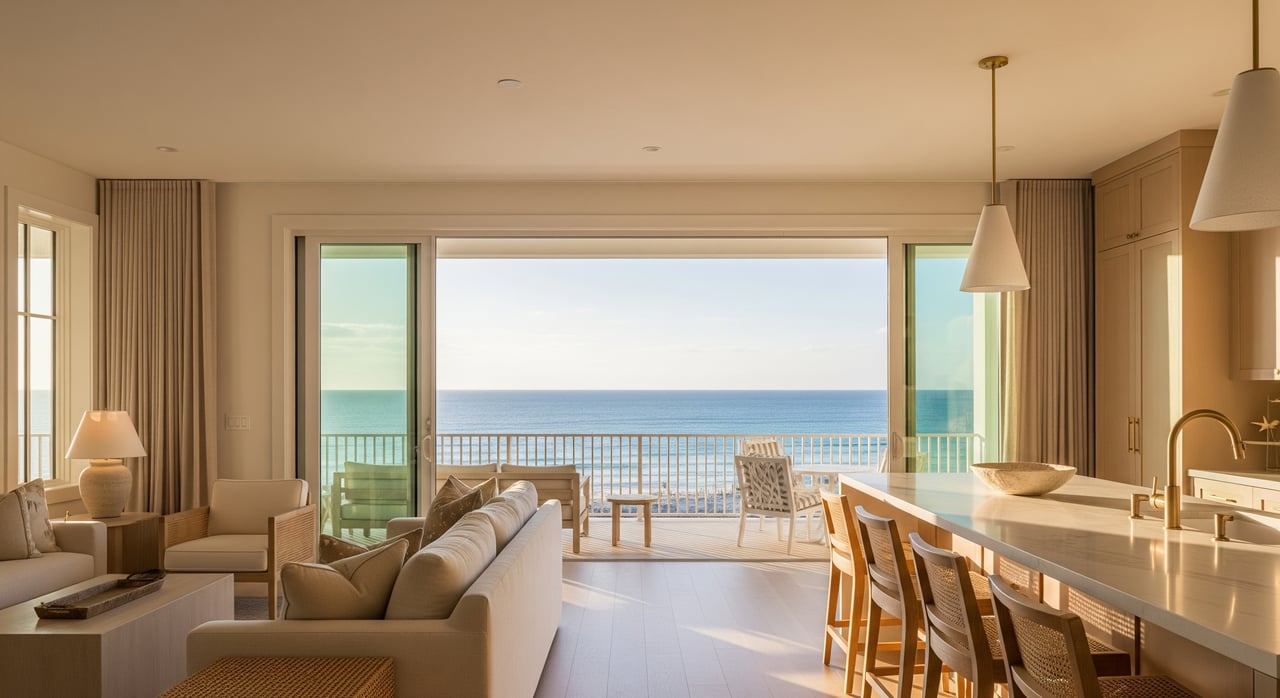
Are you designing or renovating a Miramar Beach rental and wondering which layout will book faster and earn more? You are not alone. In this market, the floor plan is often the deciding factor for large groups comparing similar homes near the Gulf. In this guide, you will learn the specific features and room configurations that drive higher ADR, better occupancy, and stronger reviews in Miramar Beach. Let’s dive in.
Why layout matters in Miramar Beach
Miramar Beach draws families, multigenerational groups, and multi-family gatherings who want easy beach access and room to spread out. Peak demand arrives in spring break and summer, with shoulder seasons influenced by events and value travel. For tourism context and seasonal trends, review the regional guidance from Visit South Walton.
For these guests, the way your home functions matters as much as finishes. Layouts that balance adult privacy, kid-friendly sleeping, and big shared spaces book more weeks and justify stronger nightly rates. Features that reduce friction, like gear storage and outdoor showers, also boost satisfaction and reviews.
Who your rental should serve
High-performing rentals in Miramar Beach often host groups of 8 to 14, though larger homes can accommodate more. Your strongest demand will come from extended families, two to three related families traveling together, and small wedding or reunion groups. They value a smooth flow between living, dining, and outdoor areas, flexible sleeping options, and indoor entertainment for rainy days.
The must-have floor-plan features
Dual or multiple primary suites
- Why it works: Two or more primary suites give adult couples privacy and reduce booking friction. This is a key differentiator when groups are considering two similar homes.
- How to design: Separate primaries on different floors or at opposite ends. Include a full en-suite and, if possible, a walk-in closet. Balconies or private outdoor access add perceived value.
Bunk rooms or kids’ dorms
- Why it works: Families want safe, fun sleeping for kids without paying for more adult bedrooms. Bunks increase total sleeping capacity, which drives peak-week bookings.
- How to design: Use durable built-ins with guard rails, reading lights, USB ports, and blackout curtains. Place near a bathroom and common areas, but keep sound separation. Clearly label sleeping arrangements in photos and your listing.
Game and media rooms
- Why it works: Indoor entertainment keeps groups happy in the evening or during rain, which is common on the coast. Game spaces help fill shoulder seasons.
- How to design: Put the game room near the main living area or on a lower level. Choose durable flooring and plan storage for gear. Add soundproofing to reduce noise issues.
Elevator access in multi-story homes
- Why it works: Many Miramar Beach homes have three or more levels. An elevator makes arrivals easier for seniors, families with young kids, and anyone hauling luggage or groceries.
- How to design: Include a passenger elevator or at least a future-ready shaft. Confirm equipment and inspections meet local code. Plan for routine maintenance in your budget.
Indoor–outdoor flow near the pool
- Why it works: Guests expect your main living and kitchen to connect seamlessly to a covered deck and the pool area. This expands usable space and improves the sense of luxury.
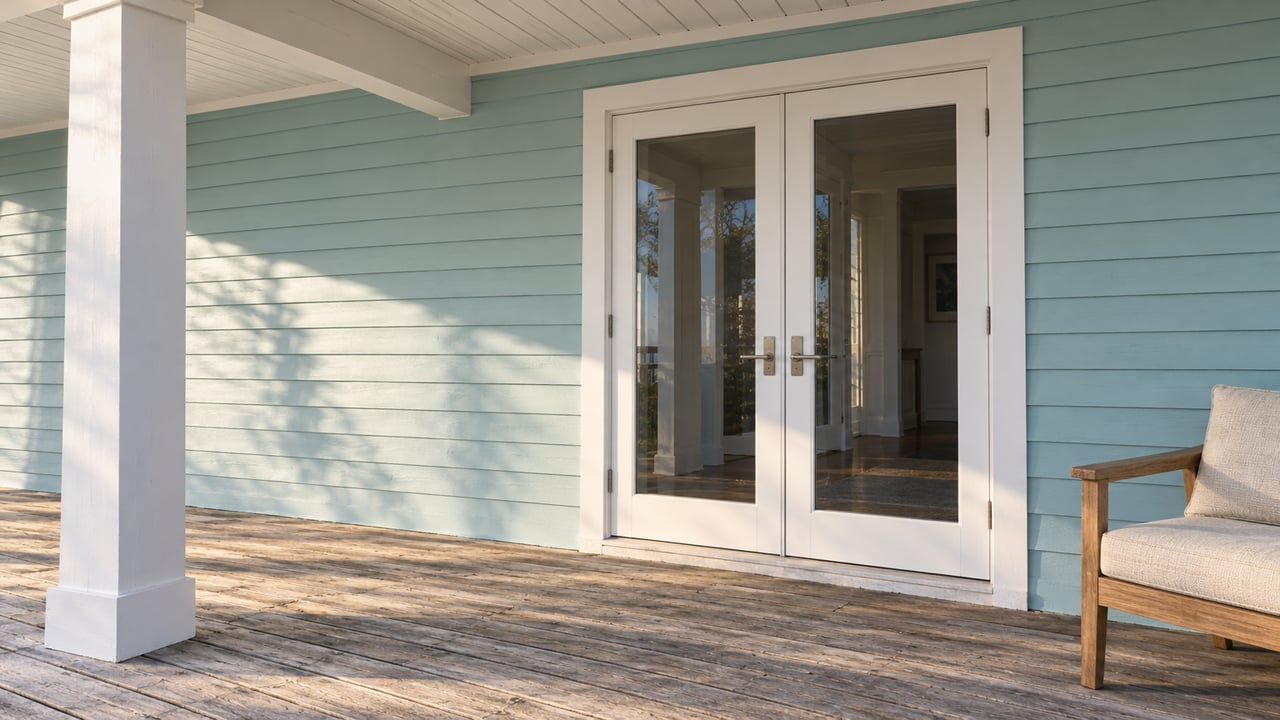
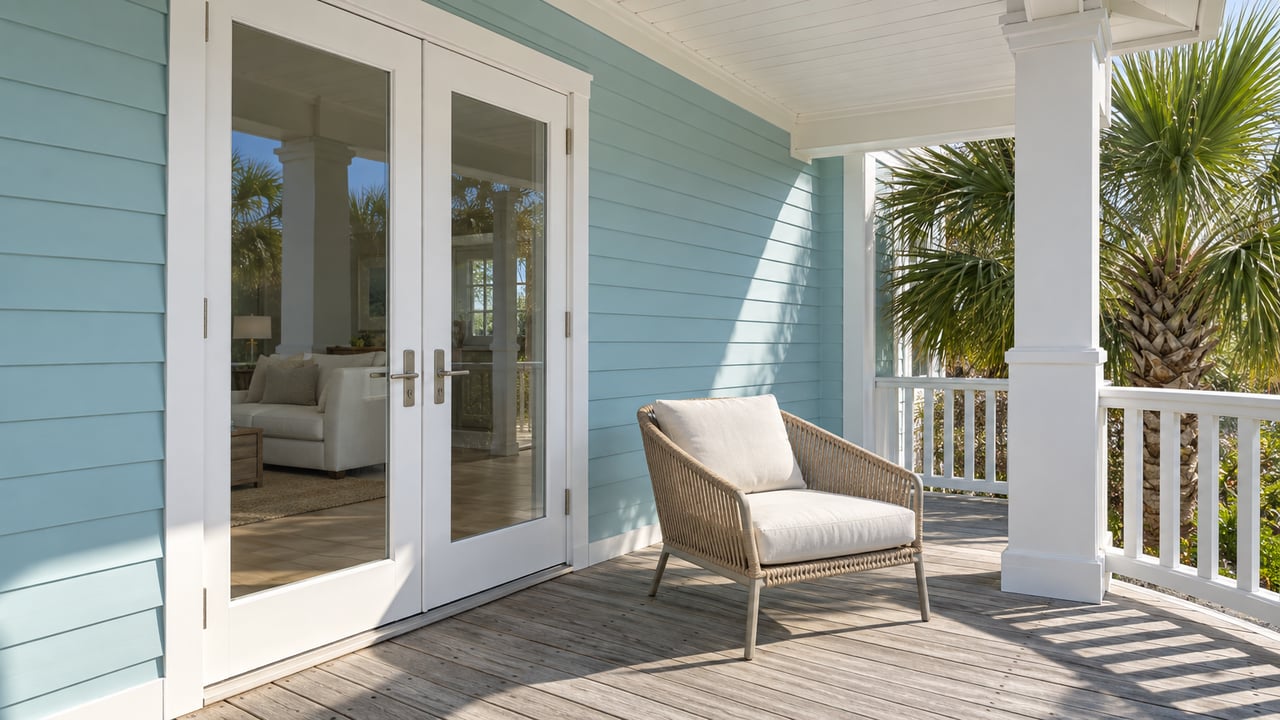
- How to design: Use large sliding or pocket doors from the living room to a shaded deck. Face dining and lounge seating toward the pool or view. Add covered seating so guests enjoy the outdoors in sun or rain.
Kitchen and dining for a crowd
- Why it works: Groups often cook, celebrate, and linger. A generous, open kitchen and dining plan is central to guest satisfaction.
- How to design: Create an open kitchen–dining–living layout with a large island and plenty of seating. Consider double ovens or commercial-style appliances and multiple dishwashers. Aim to seat close to your advertised occupancy across indoor and outdoor dining.
Bathrooms: enough and well placed
- Why it works: Sufficient full baths reduce morning congestion and elevate the experience for adults. En-suite access is a common amenity filter.
- How to design: Plan at least one full bath per 3 to 4 guests. Include two or more en-suites in larger homes, a half bath on the main level, and a spacious laundry room. Add an outdoor rinse shower for beach gear.
Entry, mudroom, and gear storage
- Why it works: Groups bring coolers, carts, umbrellas, and bikes. A proper drop zone keeps sand, gear, and clutter from taking over the living room.
- How to design: Build a mudroom with a bench, hooks, shelving, and lockable storage. Include a hose or outdoor shower and a utility closet for supplies.
Parking and circulation
- Why it works: Street parking is limited in many South Walton neighborhoods. Multiple vehicles are common with large parties, and parking complaints can sink reviews.
- How to design: Provide legal, on-site parking that matches your occupancy and HOA rules. Make unloading easy and safe, and consider covered spaces if possible.
Flexible and convertible spaces
- Why it works: Flexibility helps you serve different group sizes without overbuilding. It also extends your booking window.
- How to design: Create multi-function rooms with storage and a high-quality sleeper or murphy bed. Be clear in your listing about which spaces are best for kids vs. adults.
Four proven floor-plan archetypes
1) Beach‑Family Retreat: 4 BR / 4 BA plus bunk alcove
- Who it serves: A couple of families or an extended family that wants two adult suites and a safe space for kids.
- Layout highlights: Two primary suites on separate levels, open kitchen–dining–living, a bunk alcove near the great room, covered outdoor dining, outdoor shower, and dedicated gear storage.
- Why it works: Strong family appeal and high peak-week occupancy with a lower build cost than very large homes.
2) Large Reunion Home: 6 BR / 6+ BA with game loft
- Who it serves: Multigenerational groups and multi-family reunions.
- Layout highlights: Three en-suite primaries spread out for privacy, two guest bedrooms that can convert to bunks, a dedicated game or media room with a wet bar, elevator, and two dining zones across indoor and outdoor areas.
- Why it works: Checks every box for large groups and supports higher ADR, especially with premium amenities.
3) Townhome or Condo Plan: 3 BR / 3 BA plus bunk room
- Who it serves: Value-focused groups that still want smart sleeping and open living near the beach.
- Layout highlights: Main-level open living with deck access, upper-level primaries, compact bunk room, and access to a community pool. Plan carefully for limited on-site parking.
- Why it works: Maximizes sleeping and flow within HOA constraints and smaller footprints.
4) Luxury Multi‑Floor: 7–8 BR / 7–9 BA with rooftop deck
- Who it serves: Weddings, corporate retreats, and large families who want top-tier amenities and privacy.
- Layout highlights: Multiple primaries, adult and kid zones, a large commercial-style kitchen, expansive indoor–outdoor entertaining decks, elevator, and dedicated back-of-house storage and laundry.
- Why it works: Supports premium ADR and repeat bookings when paired with polished operations.
What actually moves ADR, occupancy, and reviews
- ADR drivers: Multiple en-suites, a private pool or hot tub, standout indoor–outdoor spaces, and unique features like an elevator, game room, or rooftop deck.
- Occupancy drivers: Sleeping capacity, bunk rooms for kids, and affordability per person during peak weeks. Game or media rooms help fill shoulder seasons.
- Review drivers: Adult privacy, cleanliness, a functional kitchen with enough seating, easy gear storage, and reliable Wi-Fi and AC matter more than flashy finishes.
If you want to validate rate and occupancy potential by bedroom count, proximity, and amenities, use third-party benchmarks such as AirDNA’s market analytics. This helps you model revenue impact before you build or renovate.
Design choices that reduce friction and costs
- Add an elevator in three-level homes to lower move-in and turnover friction. This protects stairwells and walls and broadens your guest pool.
- Specify durable finishes in high-traffic zones and game rooms to reduce repairs and claims.
- Plan storage for linens, supplies, and owner closets to improve inventory control and turnover speed.
- Right-size the number of bathrooms to your occupancy so cleaning time is predictable and disputes are rare.
Local rules, safety, and insurance essentials
Miramar Beach sits in unincorporated Walton County, and many properties are in HOAs with their own standards. Before you add bedrooms, bathrooms, bunks, or an elevator, verify permits, occupancy limits, and parking requirements with Walton County’s official resources. Make sure you register for required taxes and understand any neighborhood covenants.
Because this is a coastal market, many properties fall within FEMA flood zones. Check how elevation, utilities, and lower-level improvements affect risk and costs using the FEMA Flood Map Service Center. Impact-rated windows, shutters, and elevated utilities are common resilience features and may influence insurance.
Larger occupancy also increases liability exposure. Confirm that your insurance policy covers short-term rentals, pools, elevators, and game equipment. Review state-level business and tax requirements, and make sure your accessibility features meet local building codes and inspection schedules.
Marketing your layout to book faster
- Show the floor plan diagram with bed counts and bathroom access so guests can self-qualify.
- Front-load dual primaries, bunk rooms, elevator, outdoor shower, and parking details in your listing bullets.
- Use photos that show scale in common areas and seating for your advertised occupancy across indoor and outdoor spaces.
- Manage expectations by stating the true walk time to the beach and outlining HOA or community rules.
For insights on family travel preferences and amenity trends, review host resources from platforms like Vrbo and Airbnb. Pair that research with your own guest messaging to highlight what matters most for your target group.
A simple pre-renovation checklist
- Confirm legal occupancy, parking counts, and HOA limits with Walton County and your association.
- Pull market comps by bedroom count, bath count, and amenities with a data provider like AirDNA.
- Map your target guest persona and design to that use case.
- Model a 3 to 5 year ROI that includes maintenance, insurance, utilities, and cleaning time.
- Plan resiliency and safety: flood zone, wind mitigation, and elevator code.
The bottom line
In Miramar Beach, the best-performing rentals follow a simple pattern. Give adults privacy with multiple primary suites, give kids fun and flexible sleeping with well-designed bunks, create an open kitchen–dining–living hub that spills outdoors, and remove friction with storage, parking, and if possible, an elevator. Then validate your plan with local rules and market data so your design aligns with both demand and compliance.
If you want a tailored layout and revenue roadmap for your property, combine brokerage guidance with hands-on operations. Connect with Christopher Harper to Request a Valuation & Turnkey Management Plan.
FAQs
What floor-plan features boost ADR in Miramar Beach?
- Multiple en-suites, strong indoor–outdoor living, private pools or hot tubs, and unique amenities like an elevator or rooftop deck are key ADR drivers.
How many bathrooms do I need for large groups?
- Plan at least one full bathroom per 3 to 4 guests, with two or more en-suites in larger homes and a half bath on the main living level.
Are bunk rooms worth it for my rental?
- Yes, bunk rooms raise total sleeping capacity and booking volume for family weeks, even if the ADR per bed is lower than an adult bedroom.
Do I need an elevator in a three-story home?
- An elevator is strongly recommended for three-level homes because it expands your guest pool, eases move-ins, and reduces turnover strain.
What local rules should I check before renovating?
- Verify STR permits, occupancy and parking limits, and HOA covenants with Walton County’s resources before adding bedrooms, bathrooms, or an elevator.
How do I factor flood risk into my design?
- Review your property’s flood zone and elevation using the FEMA Flood Map Service Center and plan mitigation features that align with insurance and code.
Where can I find rental performance benchmarks?
- Use third-party analytics such as AirDNA’s market data to compare ADR and occupancy by bedroom count, proximity to the beach, and amenities.