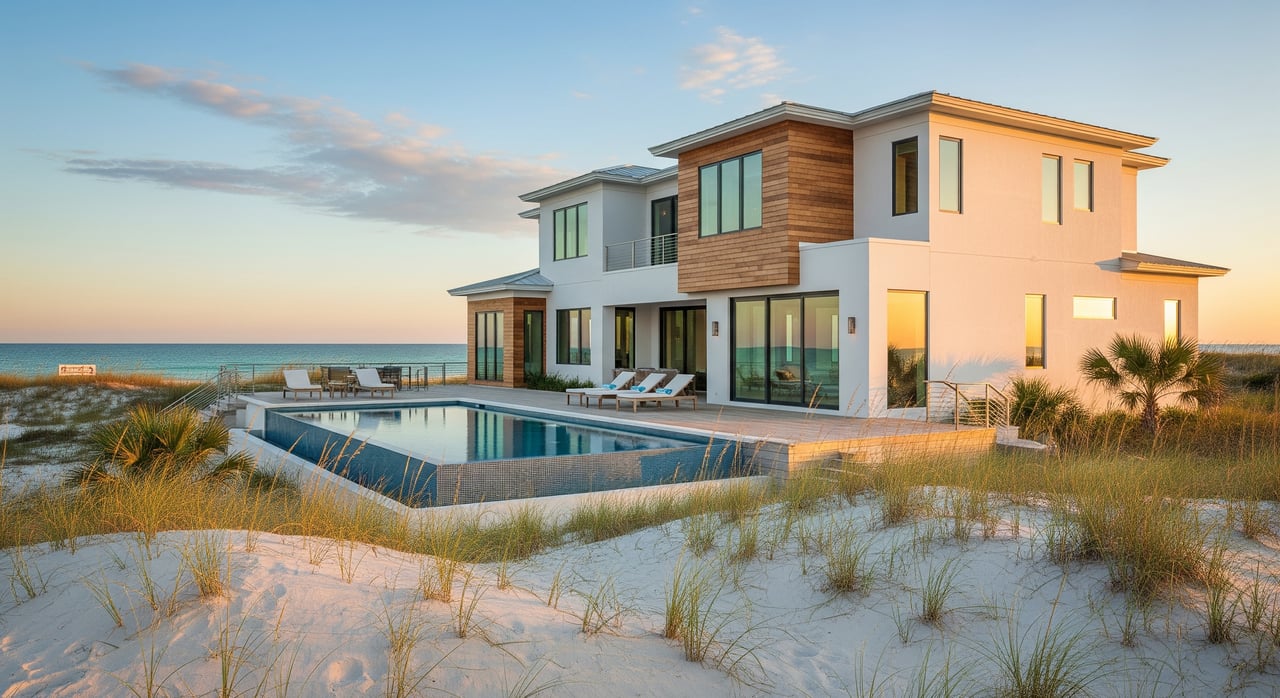
Picture yourself waking to emerald water and sugar-white sand, then stepping onto your balcony with coffee as boats idle out of Destin Harbor. Owning a luxury beach home here delivers that daily rhythm, but it also comes with real considerations, from insurance and maintenance to seasonal patterns and rental decisions. If you want both beauty and clarity, you need a grounded view of life in Destin and the costs that keep it effortless. This guide walks you through day-to-day living, property options, upkeep, risk, and revenue so you can decide with confidence. Let’s dive in.
The Destin luxury lifestyle
Mornings on the water
You can keep a boat in a marina slip, launch with help from local services, or book charters when friends visit. Many owners plan morning fishing runs, then anchor at Crab Island for mid-day relaxation. Harbor access makes quick outings easy, whether you prefer inshore trips or offshore runs.
Days well spent
Beach days are an everyday option, with long walks, paddleboarding, or a quiet afternoon at Henderson Beach State Park for managed shoreline access. You will find bike-friendly paths and calm back streets for easy cruising between home, the harbor, and shopping. If you enjoy low-maintenance living, contracted housekeeping and concierge services are widely available.
Evenings out
HarborWalk Village, Destin Commons, and resort centers offer upscale dining, shopping, and nightlife. During peak season, book reservations in advance and plan arrivals earlier in the evening. A sunset on the harbor followed by dinner with visiting family is a common way owners end the day.
Golf and marinas nearby
You have golf in the broader Emerald Coast area, including established resort courses in Sandestin and Seascape. Marina options support boating, from dry storage to full-service slips. If you own a harborfront or marina-access home, you can align your daily routine around the tides and your tee times.
Property types and fit
Gulf-front single-family homes
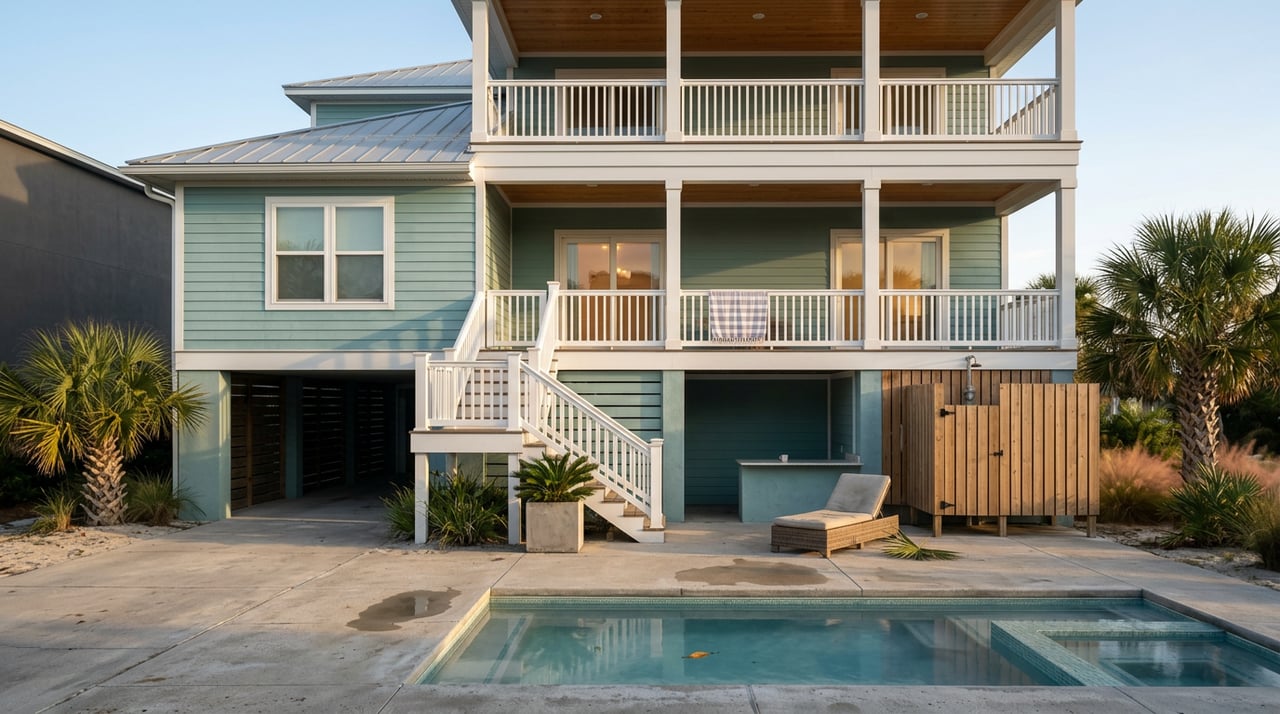
These trophy properties offer the most direct beach experience and typically carry the highest acquisition and maintenance costs. Exposure to storms and erosion is greatest on the Gulf, so you will want a strong plan for insurance, wind mitigation features, and periodic exterior upkeep. For owners who prize privacy and views, this is the gold standard.
Luxury beachfront and gulf-view condos
High-rise condos provide managed amenities like pools, elevators, security, and fitness centers. HOA fees and capital reserves are central to the value equation, so reviewing reserve studies and assessment history is essential. Condos appeal if you want lock-and-leave simplicity with professional common-area care.
Upscale townhomes and gated communities
These homes sometimes include marina access or private docks, and HOA structures vary by community. They can balance space with lower exterior responsibilities than standalone homes. If your ideal setup is a residence with some yard, plus shared amenities and services, this may be the right fit.
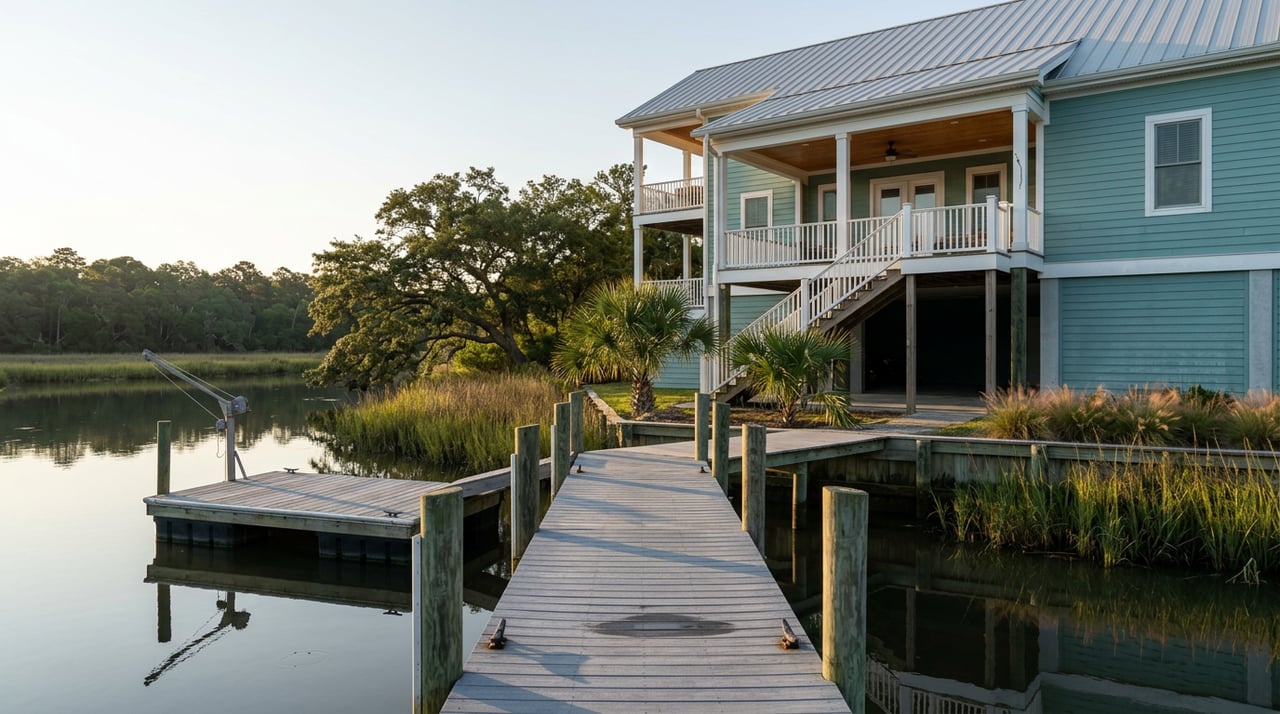
Harborfront estates and docked living
Proximity to the channel and marinas is the draw here. With the harbor at your back door, boating and charter access define the lifestyle. Inventory is more limited than beachfront condos, so opportunities can be competitive.
Seasons and when to enjoy
Peak season, late spring to summer
From Memorial Day to Labor Day, you will see the highest tourist density and strongest short-term rental demand. Restaurants, charters, and parking fill quickly, so planning ahead is smart. If you rent your home when you are away, these weeks often carry the highest nightly rates.
Spring and fall shoulder months
Spring and fall bring warm days, lighter crowds, and continued boating and fishing. Many owners prefer these seasons for personal use because the weather is pleasant and services are easier to access. You still benefit from activity on the harbor and in town without peak congestion.
Quiet winter, smart project time
Late fall through winter is calmer, and some seasonal businesses scale back hours. This is an ideal window for maintenance, renovations, and upgrades that are better done when occupancy is low. Many owners schedule larger projects for winter to be ready for spring demand.
Hurricane season planning
Hurricane season runs June 1 through November 30, with peak activity typically in August and September. Prepare by investing in impact windows or shutters, elevated utilities, generators, and a clear plan for securing the property. Most absentee owners rely on local teams for pre-storm prep and post-storm inspections.
What it really costs
Upfront costs to expect
Beyond the purchase price and closing costs, plan for inspections, surveys, and any required HOA capital contributions. If the property is on the water, you may see seawall or dune-related considerations. In condos, verify reserve status early to understand potential future assessments.
Recurring ownership costs
Budget for property taxes, HOA or condo fees, utilities, landscaping and pool service, routine maintenance, property management, and insurance premiums. Along the coast, homeowners policies often include separate wind or hurricane coverage, and flood insurance may be required if the home lies in a mapped flood zone. If you plan to rent, include turnover cleaning and linen service in your operating budget.
Insurance 101 for coastal homes
Coastal homes typically carry homeowners insurance with separate wind or hurricane coverage. If your property is in a FEMA flood zone, lenders generally require flood insurance, which is available through the National Flood Insurance Program and private insurers. Wind mitigation features like impact glass, roof straps, and shutters can help reduce premiums and are worth prioritizing during due diligence.
Maintenance you should expect
Salt air and humidity accelerate corrosion and wear, so exterior hardware, irrigation systems, and outdoor furniture need more frequent care. HVAC systems run hard year-round, which means regular service and dehumidification to prevent mold. For planning, many luxury coastal owners set aside roughly 1 to 3 percent of property value annually for upkeep, and for high-exposure, high-end finishes, a 2 to 4 percent budget is not uncommon.
Renting your home, without the guesswork
Income patterns and seasonality
Short-term rental income in Destin is strongest during peak season, with seasonal variation in occupancy and nightly rates. Many second-home owners block prime personal weeks, then rent the rest to offset carrying costs. Shoulder months still produce bookings, and winter offers time for upgrades that support future revenue.
Operations and compliance
Short-term rentals require reliable turnover, linen service, guest communication, and maintenance. You must comply with local rules and collect and remit state sales tax and local tourist development taxes. HOA or condo documents may have rental restrictions, such as minimum stay rules, caps on rental frequency, or blackout periods, so verify these before purchasing.
Management options and fees
Full-service short-term rental management often falls in a range of 20 to 35 percent of gross rental revenue. The best fit for absentee owners is a local operator who handles marketing, bookings, housekeeping, maintenance, and compliance. If you want faster time to market and consistent guest experience, a vertically integrated platform that combines brokerage and in-house operations can streamline ownership.
Risk and resilience you can plan for
Flood, dunes, and erosion
Beachfront and low-lying properties may sit in higher FEMA flood zones, which can affect insurance requirements and premiums. Beach erosion and nourishment projects matter for long-term shoreline stability, so ask for current information. If a property includes a seawall or sits near the dune line, confirm permits and condition.
Wind mitigation and hardening
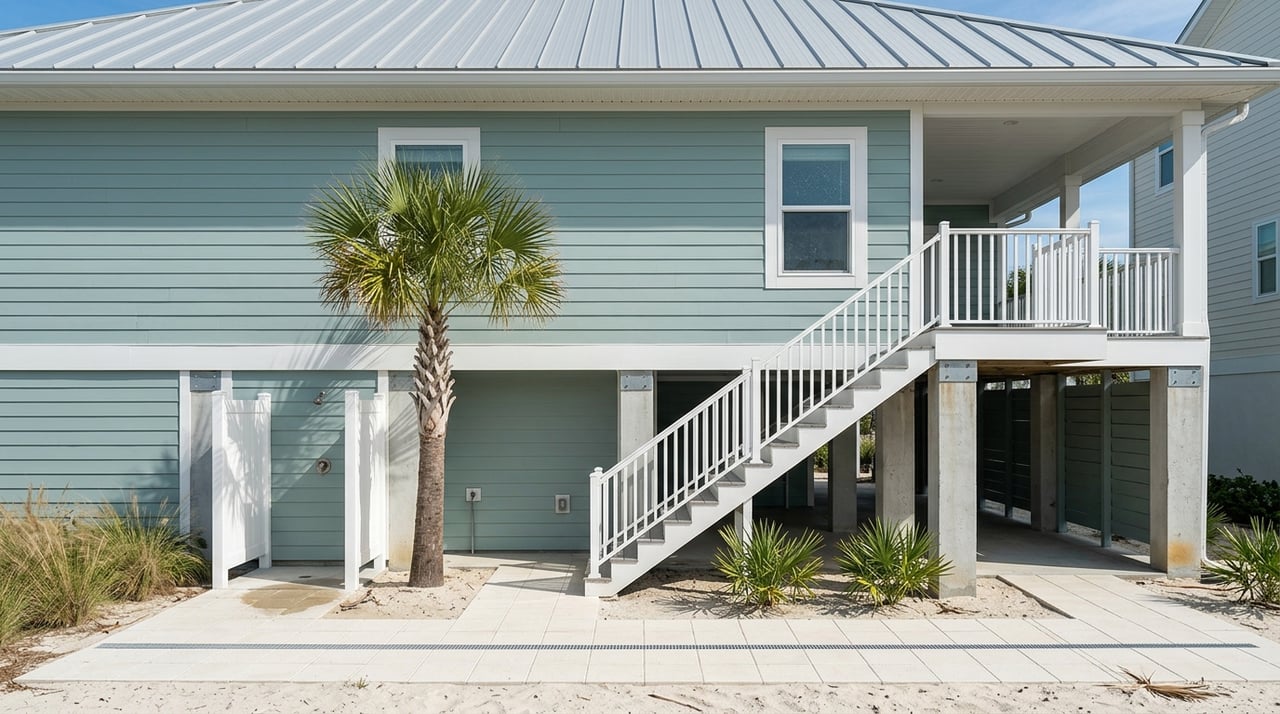
Impact windows and doors, roof tie-downs, shutters, and elevated utilities can reduce storm risk and help with insurance. Generators and remote shutter systems add convenience when you are away. Documented upgrades will also support future resale value.
Emergency readiness
Have a written pre-storm and post-storm plan that lists who installs shutters, where furniture is stored, how generators are tested, and who inspects after events. Keep vendor contacts current and accessible. Many owners schedule preventive visits in late spring and late summer to prepare for the most active months.
Due diligence checklist
- Verify the FEMA flood zone and obtain flood insurance quotes from the NFIP and private markets.
- Request full HOA or condo documents, reserve studies, meeting minutes, and special assessment history.
- Commission a coastal-focused inspection that covers roof, HVAC, electrical, plumbing, structure, and evidence of water intrusion or mold. Bring in a structural engineer for seawall or foundation concerns.
- Confirm any coastal construction restrictions, dune boundaries, and relevant permits. Ask about local beach nourishment plans.
- Review historical utility bills, maintenance records, and documentation of upgrades like impact glass, roof straps, and generators.
- If buying an income property, request detailed rental history and booking patterns, and confirm local STR registration or permit requirements.
- Get preliminary quotes for homeowners, wind or hurricane, and flood insurance so you understand premiums and deductibles.
- Build a hurricane readiness plan, including shutter storage, generator capacity, and vendor contact lists.
Practical living, access, and travel
The Destin–Fort Walton Beach Airport provides convenient access for second-home owners and guests. Interstate 10 sits to the north, which links the area to regional hubs. During peak months, plan your airport runs and dinner reservations earlier to avoid crowding and make the most of your time.
How a local advisor makes it easier
You get the best outcome when lifestyle and operations align. A coastal specialist can help you match property type to your goals, evaluate HOA reserves, plan for wind mitigation, and set realistic maintenance budgets. For absentee owners or investors, aligning acquisition with on-the-ground operations turns a great asset into a consistent experience.
With a vertically integrated platform that combines luxury brokerage, in-house short-term rental management, and hospitality operations, you can shorten the launch timeline and reduce friction. Builder-level insight helps you plan renovations and capital projects with confidence. When you are ready to explore Destin’s luxury inventory, schedule trusted vendor walkthroughs, or map a turnkey rental plan, reach out to Christopher Harper.
FAQs
What is daily life like for luxury owners in Destin?
- Expect mornings on the water or beach, afternoons split between recreation and relaxed errands, and evenings at HarborWalk Village or Destin Commons, with easy access to marinas and golf.
How does seasonality affect owning a beach home in Destin?
- Peak season brings higher crowds and rental rates, spring and fall offer warm weather with fewer people, and winter is quieter, which is ideal for maintenance and renovations.
What ongoing costs should I budget for a coastal luxury home?
- Plan for property taxes, HOA or condo fees, utilities, housekeeping, landscaping, pool care, management, and insurance, plus 1 to 3 percent of value annually for maintenance, often 2 to 4 percent for high-exposure luxury homes.
Do I need special insurance for a Destin beach home?
- Coastal owners typically carry homeowners insurance with separate wind or hurricane coverage, and flood insurance is generally required by lenders if the property is in a FEMA flood zone.
Can I offset costs by renting my home short term?
- Many owners do, with the strongest demand in late spring and summer; full-service management fees commonly range from 20 to 35 percent of gross revenue, and you must follow local rules and tax requirements.
What should I check in a condo or HOA before buying?
- Review reserve studies, recent meeting minutes, and assessment history, and confirm rental restrictions, minimum stays, and any upcoming capital projects that could affect fees.