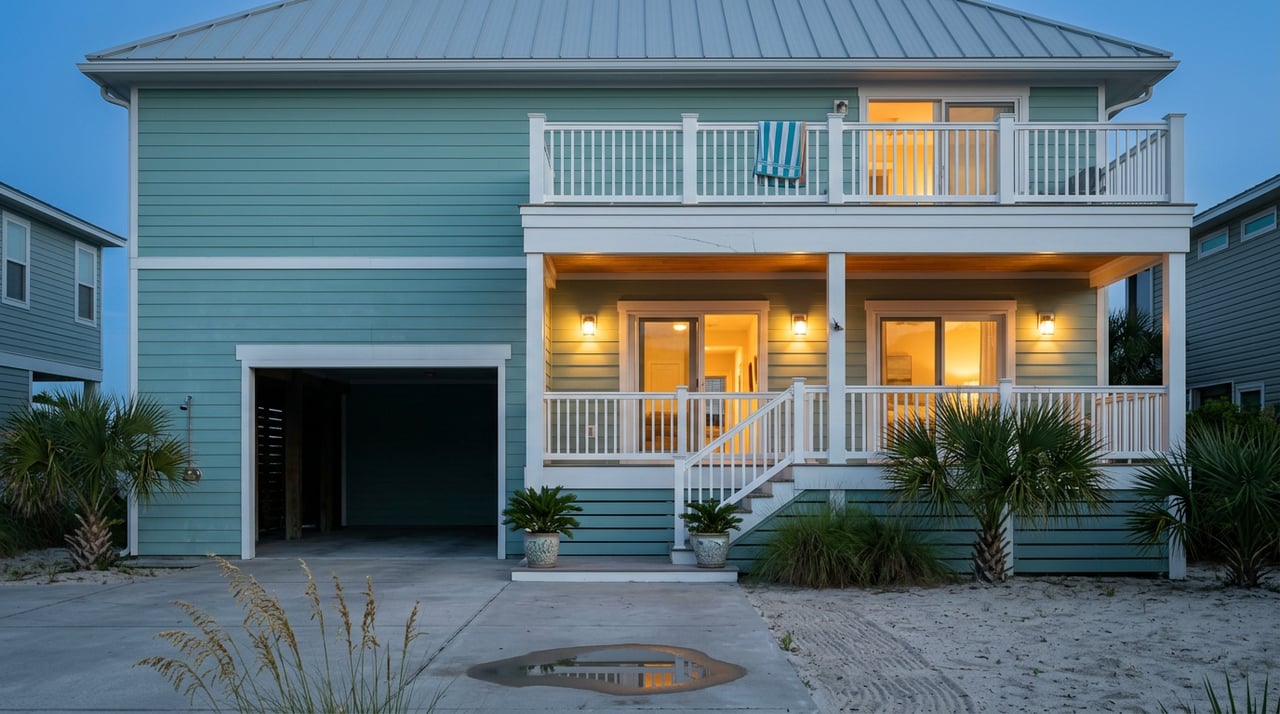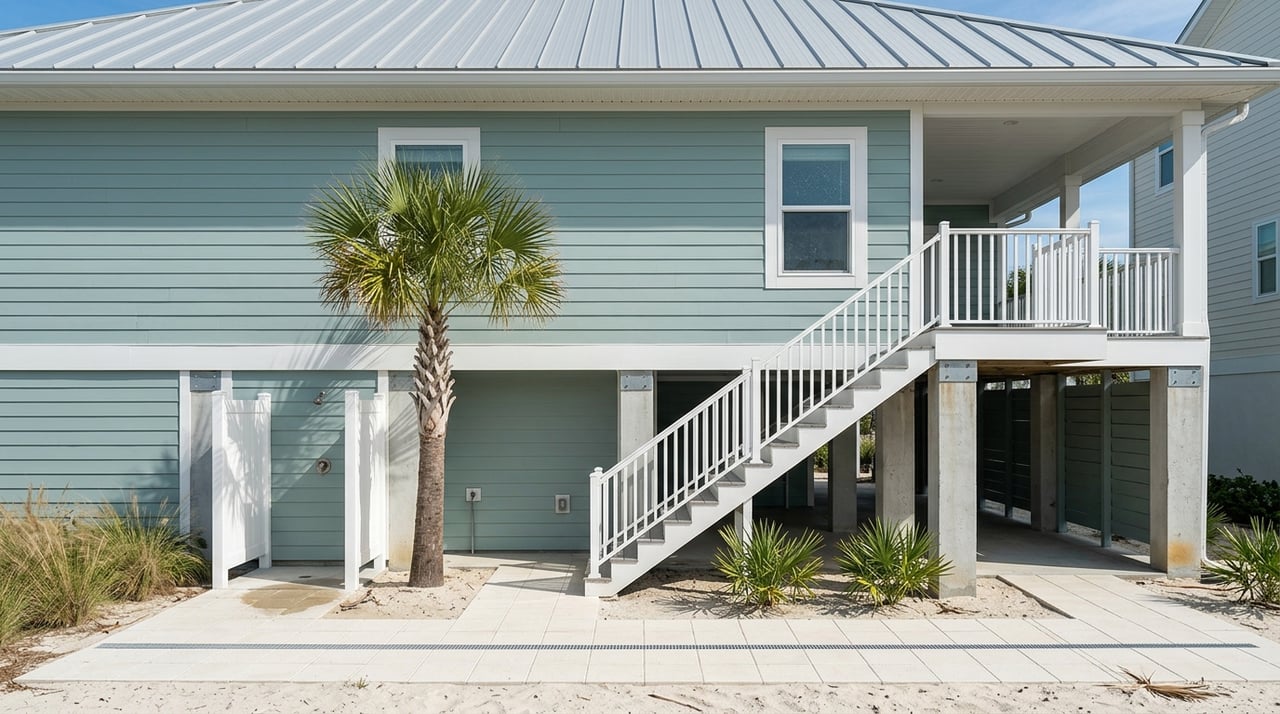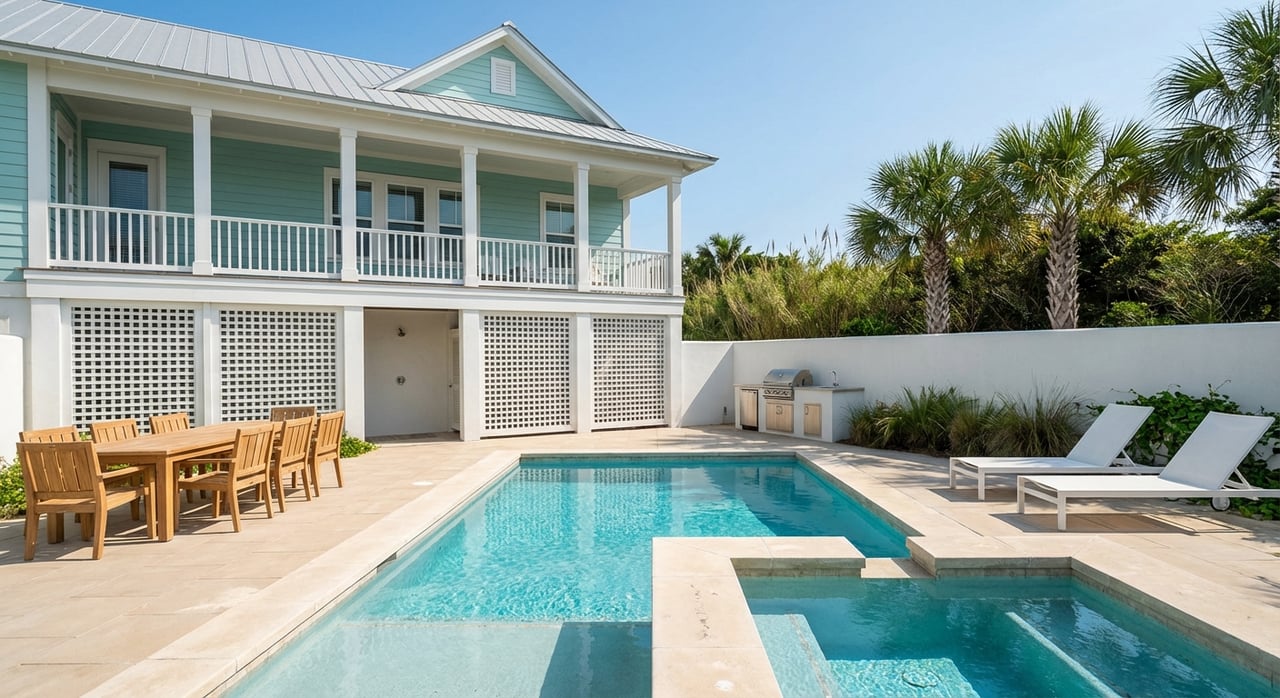
Thinking about owning a Miramar Beach home that families love to return to year after year? You’re in the right place. Miramar Beach blends wide white‑sand shoreline with easy access to shopping, dining, and family entertainment, which is why multigenerational groups choose it. In this guide, you’ll learn what families value most, the local rules that protect your investment, and practical steps to design and operate a high‑performing rental. Let’s dive in.
Why families choose Miramar Beach
Miramar Beach sits between Destin and Sandestin, so your guests can enjoy the beach and still be minutes from activities, dining, and essentials. This variety is a major draw for family groups who want options close by. You can market that convenience clearly in your listing and guest communications.
Families also appreciate that South Walton maintains regional beach accesses with seasonal lifeguards, clear flag warnings, and safety resources. Point guests to the flag system, hours, and how to choose a guarded access, using South Walton’s beach safety program.
Easy outings within 5–15 minutes
- Shopping and quick meals are simple at Silver Sands Premium Outlets, which has 100+ stores and family‑friendly dining.
- Festivals, kid’s movie nights, marina activities, and ropes courses are on tap around Sandestin and the Village of Baytowne Wharf. Share local calendars in your digital guidebook so families can plan each day with ease.
- Grand Boulevard offers restaurants, a movie theater, and seasonal community events. Promote this as a quick, low‑stress outing for all ages.
What owners must know about rentals and rules
Walton County actively regulates short‑term rentals to protect visitors, residents, and the coastline. Build the following requirements into your purchase plan and operations so you launch cleanly and stay compliant.
Registration stack and postings
- Register for all required items before hosting: state licensing when applicable (DBPR), Florida Department of Revenue sales tax registration, the county Tourist Development Tax (TDT) portal, and the Walton County vacation rental certificate. See the county’s overview in Walton County’s short‑term vacation rental FAQ.
- List a local responsible party who is available 24/7 and can respond quickly. County guidance expects rapid response within one hour to resolve guest or neighborhood issues.
- Post guest information in the home. County rules require items like occupancy limits, evacuation info, beach flag guidance, trash pickup, and certain safety reminders to be visible to guests.
Renewal timing
Walton County has been transitioning many ZIP codes to a unified June 1 renewal cycle. Check the county’s current renewal guidance for your property’s ZIP code since timing is rolling through 2025–2026.
Occupancy, parking, and advertising
- Maximum occupancy is one person per 150 square feet of usable heated and cooled living area, unless a lower certified limit applies.
- Advertising must display your county certificate number and your TDT registration number.
- The certification process records on‑site parking spaces. Market and enforce those limits to avoid violations.
TDT collection and platforms
South Walton beach ZIP codes are in the higher‑rate TDT district. The Clerk notes that hosts commonly need to collect and remit TDT directly since major platforms are not contracted to file Walton County TDT on your behalf. Use the county’s Tourist Development Tax (TDT) portal for rates and filing details.
Enforcement trends
Expect consistent enforcement. The county has strengthened complaint intake and penalties, and recent public updates highlighted a centralized hotline and stiffer consequences. Stay proactive and verify any property you buy is certified or certifiable. See a summary of recent enforcement updates.
Environmental and storm readiness for family stays
Owning near the Gulf means planning for wildlife protection and seasonal storms. Guests appreciate clear, simple guidance in your house manual.
Sea turtle season and lighting
Nesting season typically runs May 1 to October 31. At night, turn off or shield bright lights visible from the beach and remove furniture from the nesting zone. If your home falls within a Wildlife Protection Zone, Walton County requires you to include sea turtle notices in your rental postings. Share the basics using trusted sea turtle nesting guidance.
Hurricane planning and flood risk
Atlantic hurricane season runs June 1 to November 30, with activity often peaking August through October. Build hurricane steps into your guest manual and cancellation policy, and align coverage with your lender and insurer. Review NOAA’s hurricane season overview as a seasonal reminder.
Flood exposure varies by parcel. Do not assume based on neighborhood averages. Confirm your FEMA zone and elevation requirements, and obtain quotes for NFIP or private flood coverage. Use the resource page for the FEMA Flood Map Service Center to start your search.
Design and amenities that win multigenerational bookings
Family groups need spaces to gather and spaces to rest. The right layout and essentials will lift your occupancy and reviews.
Floor plans that work
- Multiple bedrooms with at least two full baths, ideally with en‑suite options for privacy.
- Open kitchen with a large island and dining table that seats the home’s occupancy.
- A secondary lounge, media room, bunk room, or flex space that gives kids a zone of their own. Industry guidance consistently ranks kitchens, multiple bathrooms, and laundry as family must‑haves.
Amenities families search for
Prioritize the essentials, then add the thoughtful extras that set you apart:
- Full kitchen with quality cookware and kid‑friendly dishware
- In‑unit laundry with supplies
- Reliable high‑speed Wi‑Fi
- Multiple bathrooms with starter toiletries
- Baby and toddler gear (pack ’n play, high chair, outlet covers)
- Beach gear and umbrellas
- Safe outdoor area or fenced yard where appropriate
- Dedicated parking for multiple vehicles
- Private or community pool when feasible
How you present these matters. Lead with the family essentials in your first photos and top five listing bullets so guests can qualify the home in seconds.
Location versus amenity tradeoffs
Proximity to a lifeguarded beach access is a major filter for families. Walkable access, shuttle options in resort communities, and quick grocery or dining runs can all justify higher nightly rates. Decide whether you market beach closeness or on‑site resort amenities as the primary value point, then align pricing and copy accordingly.
Operations that earn five‑star reviews
- Welcome clarity: Provide simple arrival instructions, labeled parking, and a photo‑rich digital guidebook.
- Local contact: Walton County requires a responsible party available 24/7. Structure response coverage that meets the one‑hour expectation.
- Safety and readiness: Post evacuation routes, the nearest ER, beach flag guidance, quiet hours, and trash pickup times.
- Hospitality touches: Stock starter kits for coffee, paper goods, basic condiments, and family‑friendly extras. These small investments reduce complaints and improve repeat bookings.
Access, seasonality, and pricing context
- Airports and drive times: Families often choose the closest flight. Destin–Fort Walton (VPS) is typically a 30 to 45 minute drive in normal traffic. Northwest Florida Beaches (ECP) and Pensacola (PNS) are viable alternatives with longer drives.
- Seasonality and minimums: Peak demand runs Memorial Day through Labor Day, plus Spring Break and popular festival weekends. Many hosts use seven‑night minimums in the summer, then shorter stays in shoulder seasons to balance occupancy and rate.
- Pricing context: Recent snapshots place Miramar Beach medians in the mid six figures, with wide variability by property type and proximity to the Gulf. Use a parcel‑level CMA and a forward‑looking revenue plan to validate your buy.
- Taxes and costs: Budget for layered taxes (state sales tax, local surtax, and county TDT), plus utilities, cleaning and linens, management fees, and wind or flood insurance. Align your pricing and policies with these realities early.
Quick buyer checklist
- Confirm eligibility: Verify that your parcel can obtain a Walton County short‑term rental certificate and review any HOA rental limits.
- Complete registrations: Prepare DBPR licensing if applicable, register with Florida DOR for state sales tax, set up the Walton County TDT account, and apply for the county rental certificate.
- Plan coverage and resilience: Check FEMA flood zone and elevation data, gather flood and wind insurance quotes, and plan for shutters or other storm protections.
- Prep guest‑facing materials: Create a house manual with beach flags, sea turtle season tips, hurricane steps, quiet hours, trash pickup, and evacuation info.
- Build your local team: Choose a property manager or vetted local responsible party who can respond quickly, perform weekly checks, manage linens and turnover, and keep your certificate details accurate.
Ready to turn a Miramar Beach property into a family‑favorite rental with confident compliance and standout operations? With brokerage expertise, builder insight, and integrated hospitality services, we help you buy well and operate with clarity. Connect with Christopher Harper to Request a Valuation & Turnkey Management Plan.
FAQs
What makes Miramar Beach a strong family rental market?
- It combines lifeguarded beach accesses, resort activities, and nearby shopping and dining, so multigenerational groups have variety within short drives and simple daily logistics.
How does Walton County set maximum occupancy for short‑term rentals?
- The county uses one person per 150 square feet of usable heated and cooled living area unless a lower certified limit applies, and it ties the limit to your certificate and advertising.
Do Airbnb or Vrbo collect Walton County Tourist Development Tax for me?
- No. Platforms are not contracted to remit Walton County TDT on your behalf, so owners or managers typically must collect and file through the county portal.
When is sea turtle nesting season and what should guests do?
- Roughly May 1 to October 31; guests should turn off or shield lights visible from the beach at night and remove furniture from the nesting zone to protect turtles.
What’s the busiest season for Miramar Beach bookings?
- Summer from Memorial Day through Labor Day is peak, with additional spikes during Spring Break and select festival weekends; shoulder seasons can perform well at adjusted minimums and rates.
Which airports are most convenient for Miramar Beach travel?
- Destin–Fort Walton (VPS) is typically about 30 to 45 minutes in normal traffic; Northwest Florida Beaches (ECP) and Pensacola (PNS) are alternatives with longer drives.