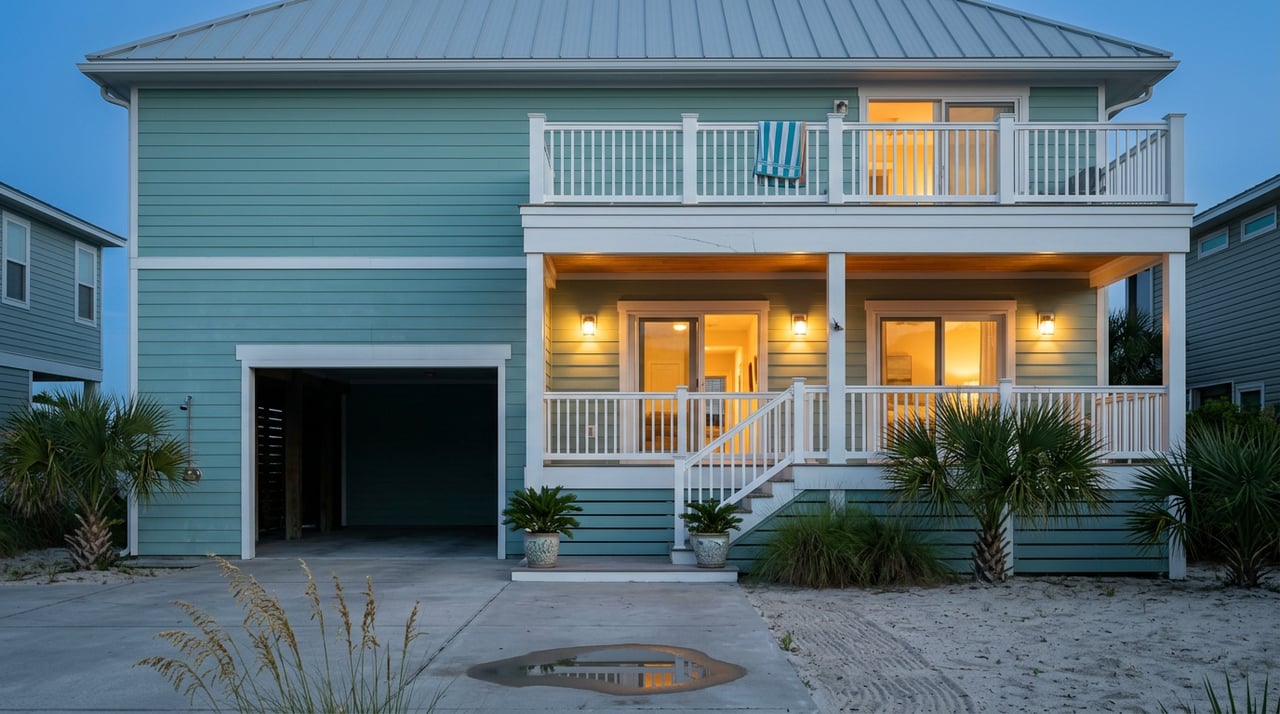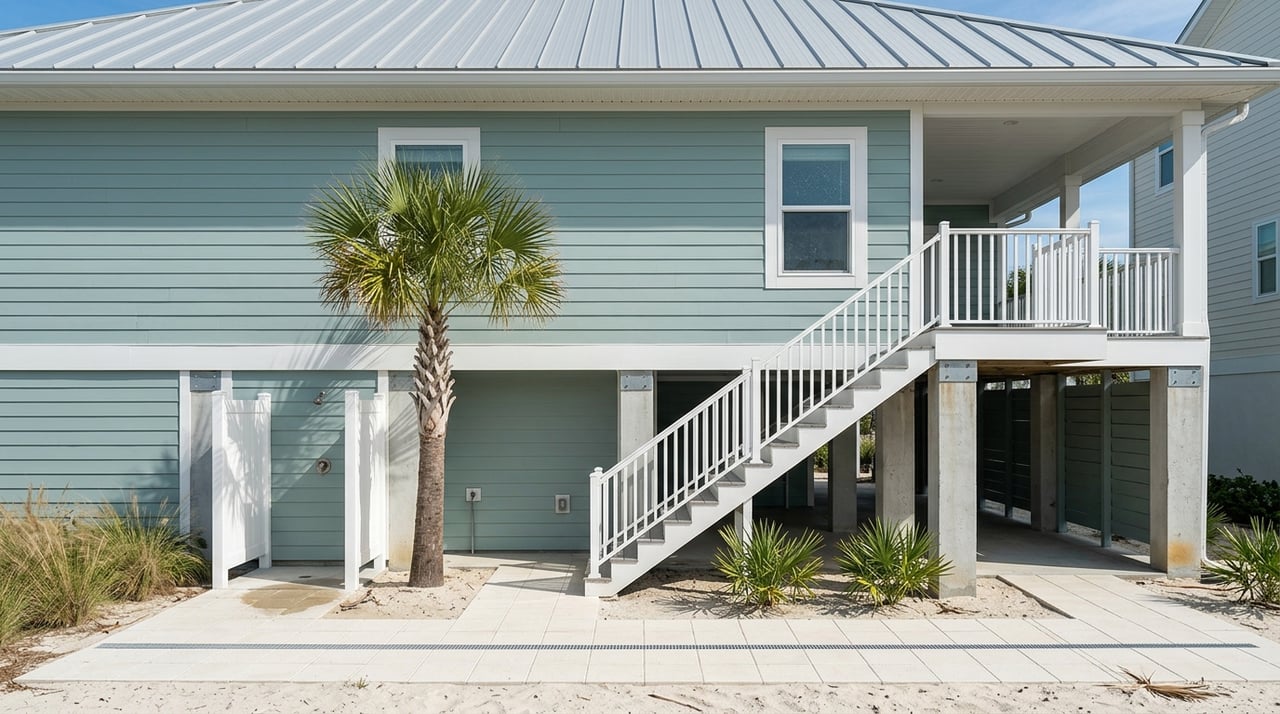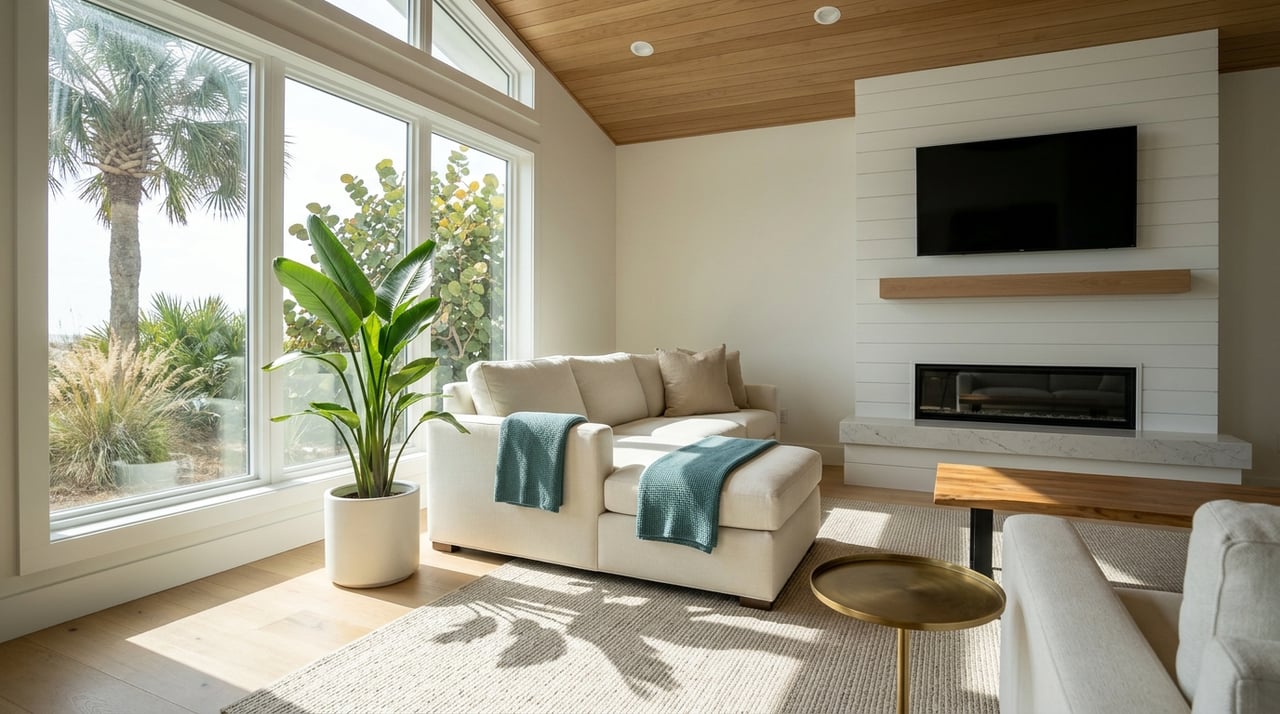
If you want your Destin vacation rental to earn more, the smartest renovation decision is not always the flashiest one. In a coastal market, value-add work has to balance guest appeal, durability, and local compliance from day one. When you plan the right upgrades in the right order, you can protect your asset, improve the guest experience, and set the property up for stronger booking performance. Let’s dive in.
Start With Destin Rules
Before you price countertops or pick flooring, confirm that your renovation plan fits City of Destin requirements. Inside city limits, short-term rentals are generally allowed only in certain zoning districts, and a change of use may be required if the property is converted or intensified in a way that increases impacts like parking, fire protection, noise, traffic, signage, or site changes.
That matters because a value-add project is not just about style. If you are adding sleeping capacity, changing layout, or altering how the home functions as a rental, the city may review more than the finishes. In Destin, legal use and operating setup come first.
The city also ties its annual short-term rental registration process to occupancy and parking counts. Registrations are non-transferable when ownership changes, and the city states that grandfathered short-term rental status can remain for five years after a sale if the use is not abandoned.
Know Occupancy Before Layout Changes
Destin sets overnight occupancy at 2 adults per bedroom plus 4 persons per property, with a maximum of 24 overnight guests. That means your true bedroom count can affect revenue potential more than a simple cosmetic expansion or oversized living room.
If you are planning a renovation to increase income, focus on legal sleeping layout, bathroom function, and parking support rather than trying to squeeze in extra beds without a real plan. In this market, usable bedroom configuration often matters more than raw square footage.
Budget for City Operating Costs
Within Destin city limits, businesses need a City of Destin business tax receipt. The city also charges annual short-term rental registration fees based on square footage:
- $500 for properties up to 2,499 square feet
- $600 for properties from 2,500 to 4,999 square feet
- $700 for properties 5,000 square feet or larger
These are not renovation costs, but they should be part of your full operating budget. A smart value-add plan looks at both construction dollars and the ongoing cost to stay compliant.
Prioritize Revenue-Driving Upgrades
Not every renovation dollar produces the same return in a Destin vacation rental. Guest demand in this market tends to reward features that improve how the home sleeps, functions, and photographs.
According to local Destin market guidance from Invest In Destin, summer is the strongest season, spring and fall act as shoulder months, and winter is slower outside holiday periods. That same guidance notes that private beach access, private pools, elevators, and luxury finishes can support earlier bookings and higher average daily rates.
Focus on Features Guests Notice
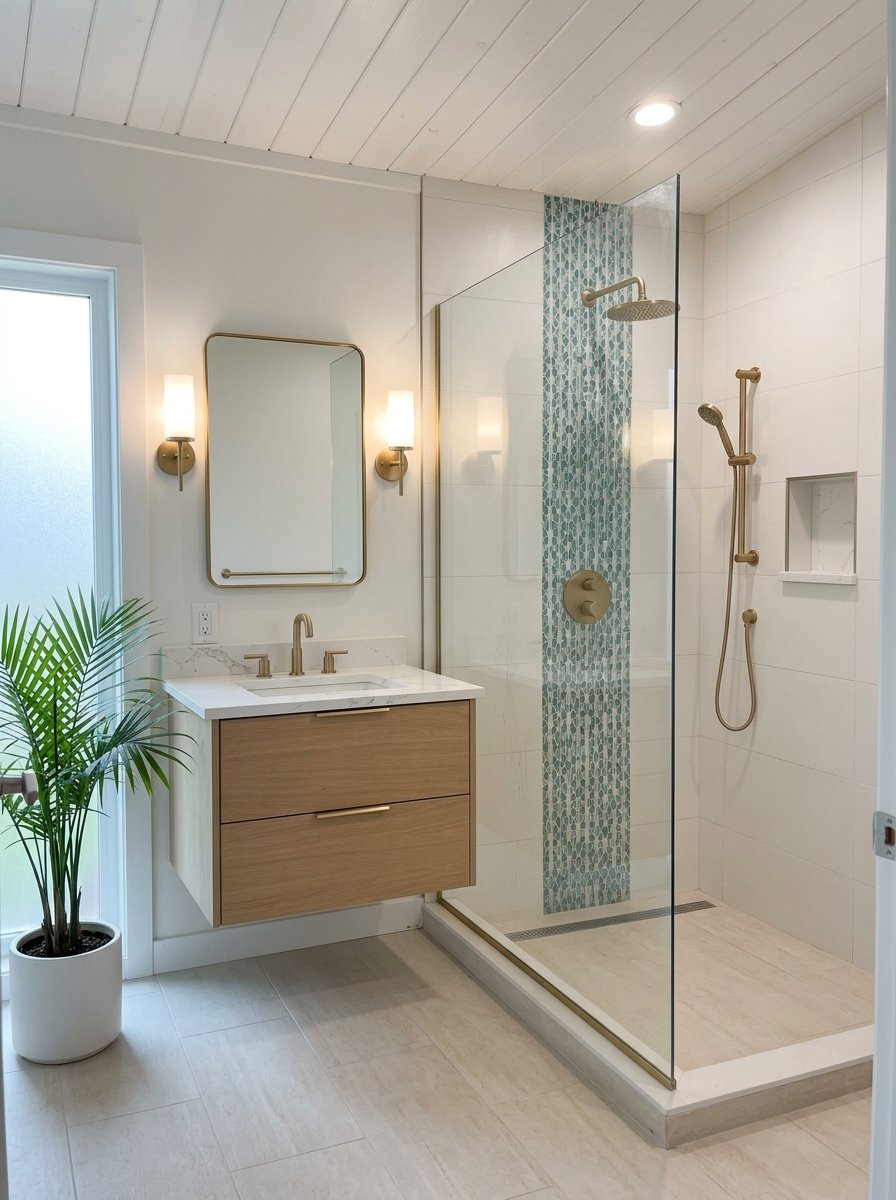
In practical terms, the best guest-facing improvements are usually the ones people can see and feel immediately. Think durable flooring, refreshed kitchens, updated baths, improved lighting, better storage, and sleeping layouts that work for family and group travel.
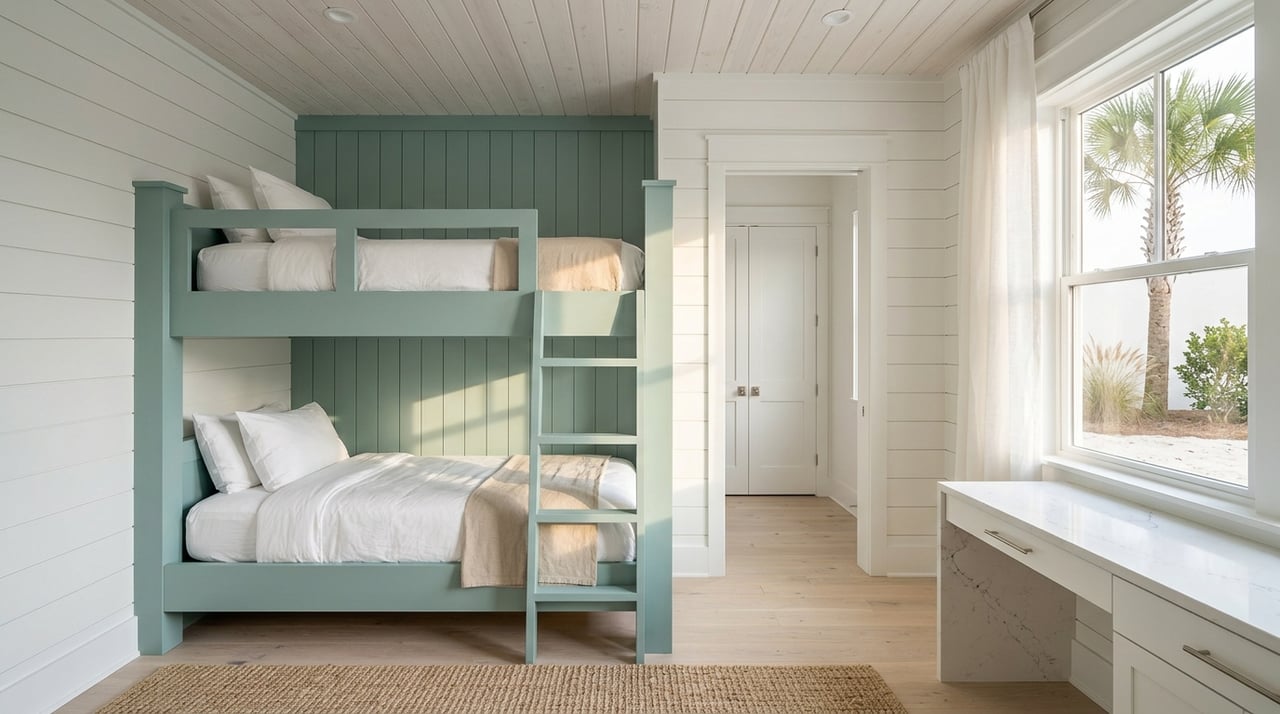
For larger homes, this can mean turning an awkward bonus space into a more functional bedroom setup, improving bunk-room design, or reworking baths to support turnover efficiency. For luxury properties, it can also mean investing in finishes that hold up better while still presenting well in photos.
Match Renovation Scope to Booking Strategy
If your rental competes in the premium coastal segment, your upgrades should support that level of guest expectation. A luxury renter may care about finish quality, but they also care about convenience, circulation, and whether the home actually works for a multi-family stay.
That is why value-add planning should connect design choices to rental performance. A beautiful renovation that ignores occupancy, maintenance, or turnover flow can cost more and deliver less.
Spend First on Coastal Durability
In Destin, durability is part of the return on investment. Salt air, moisture, and coastal weather can shorten the life of cheap materials and create avoidable repair costs.
FEMA notes that coastal buildings face corrosion, decay, termite damage, weathering, and water infiltration. That supports a renovation strategy that puts money into the hidden but critical parts of the property before spending heavily on purely decorative upgrades.
Upgrade the Materials That Protect the Home
If you are deciding where to put your first dollars, start with components that defend the structure and reduce future maintenance. That can include:
- Flashing
- Fasteners
- Connectors
- Exterior hardware
- Moisture-control measures
These are not the most glamorous line items, but they often protect everything around them. In a coastal rental, they can also help preserve the finish package you worked hard to install.
Control Moisture Inside
Florida’s Department of Health states that moisture control is the key to preventing indoor mold growth. In a high-humidity vacation rental, leak repair, bath ventilation, and quick-drying surfaces are not optional details. They are core durability decisions.
If you are updating kitchens, baths, or laundry areas, choose materials and systems that are easier to dry, clean, and maintain between guests. This can support both the guest experience and the long-term condition of the property.
Understand Permits and Code Early
One of the biggest mistakes in a value-add renovation is assuming cosmetic work stays cosmetic. In Destin, a permit is required if the project changes occupancy, adds or replaces regulated impact-resistant coverings, or affects plumbing, electrical, gas, or mechanical systems.
The city also states that projects with more than $5,000 in materials and labor require a Notice of Commencement before work begins. If you wait too long to confirm permit requirements, you can lose time during your best renovation window.
Review Building and Fire Code Impacts
The City of Destin says the 2023 Florida Building Code and the 2020 National Electrical Code are in effect. Separately, Florida’s 8th Edition Florida Fire Prevention Code is in effect statewide and enforced by local fire officials.
If your renovation changes layout, life safety, egress, or occupancy, review those issues early. Bedroom additions, altered exits, and major interior reconfigurations can trigger more than one layer of code review.
Watch Permit Timing
According to the city, permits can remain active for two years if work continues, but they can become void if dormant for six months. That timing matters if you are planning a phased renovation or trying to complete work between booking cycles.
A realistic construction calendar can help you avoid permit issues and reduce disruption to peak rental demand.
Check Flood Risk Before Lower-Level Work
On coastal lots, lower-level renovation decisions need extra care. FEMA says VE zones are coastal high-hazard areas where wave action and fast-moving water can cause extensive damage, and it encourages V-zone standards in Coastal A areas.
FEMA also states that flood-damage-resistant materials are required below the base flood elevation in Special Flood Hazard Areas. So before you treat a lower level as easy bonus space, review the flood map and understand what that area can safely and legally support.
Separate Cosmetic Plans From Structural Reality
A lower-level refresh may look simple on paper, but flood conditions can change the material choices and renovation scope. If that area is vulnerable, the wrong upgrades can create higher risk and wasted capital.
For many owners, this is where disciplined planning pays off. The goal is not just to make space look better, but to make sure the improvement makes sense for the property’s coastal setting.
Time the Project Around Destin Seasonality
A strong renovation plan also considers when the home will be offline. In Destin, timing can matter almost as much as scope.
NOAA states that Atlantic hurricane season runs from June 1 through November 30. Local Destin seasonality guidance also indicates that summer is the highest-demand period, with large homes often booking six to 12 months in advance.
Use Late Fall and Winter Wisely
Based on that seasonality pattern, late fall through winter is often the most practical window for disruptive work. That gives you a chance to complete construction, finish punch-list items, and update staging and photography before spring demand increases.
For owners of larger vacation homes, this timing can be especially important. Missing spring booking momentum because a renovation ran long can affect revenue far beyond the construction period itself.
Sequence Licensing and Taxes Correctly
Renovation is only part of the path to better performance. You also need the property set up correctly for operation once the work is done.
Okaloosa County states that the Tourist Development Tax applies to short-term rental income from stays under six months, that the rate is 5%, and that filings are due monthly by the first of the month. Florida DBPR defines a transient public lodging establishment as one rented more than three times in a calendar year for less than 30 days, or one advertised for that use, and states that new or existing public lodging establishments must obtain a license before operating.
Plan for Destin Registration Details
Within the city, short-term rental registration begins January 1 each year. The city states that late fees begin after March 31 and again after June 1.
The city also requires a registration sign measuring 18 by 18 inches to be posted within seven days. It must display the management company, emergency contact, occupancy limit, and parking spaces. The city further states that the local responsible party must be able to arrive on site within one hour in an emergency, and parking is reviewed through an affidavit process.
For absentee owners, this is where a local operator can help reduce friction. The best renovation plan is the one that leads smoothly into compliant, guest-ready operations.
Build a Smarter Value-Add Plan
In Destin, the highest-performing renovation plans usually follow a clear order. First confirm legal use, occupancy, parking, and permit needs. Then invest in coastal durability and moisture control. After that, direct your visible upgrade dollars toward features that improve guest experience and booking appeal.
That approach protects both sides of the investment. You are not just creating a nicer-looking home. You are building a vacation rental that is better aligned with local rules, coastal conditions, and the way guests actually book in this market.
If you are weighing a purchase, planning a renovation, or trying to improve performance on an existing rental, Christopher Harper can help you connect property selection, renovation strategy, and full-service short-term rental operations into one clear plan.
FAQs
What makes a Destin vacation rental renovation truly value-add?
- A value-add renovation in Destin improves booking appeal and rental function while also fitting city occupancy, parking, permit, and operating requirements.
What occupancy rules apply to short-term rentals in Destin?
- The City of Destin states that overnight occupancy is limited to 2 adults per bedroom plus 4 persons per property, with a maximum of 24 overnight guests.
What permits might a Destin vacation rental renovation require?
- The city states that permits are required for projects that change occupancy, add or replace regulated impact-resistant coverings, or affect plumbing, electrical, gas, or mechanical systems.
What upgrades matter most for a coastal rental in Destin?
- In Destin, owners often get the most value from durable flooring, updated kitchens and baths, better lighting, improved storage, stronger sleeping layouts, and coastal-grade materials that resist moisture and corrosion.
What taxes and licenses apply to a Destin short-term rental?
- Okaloosa County states that short-term stays under six months are subject to a 5% Tourist Development Tax, and Florida DBPR states that qualifying transient public lodging establishments must be licensed before operating.