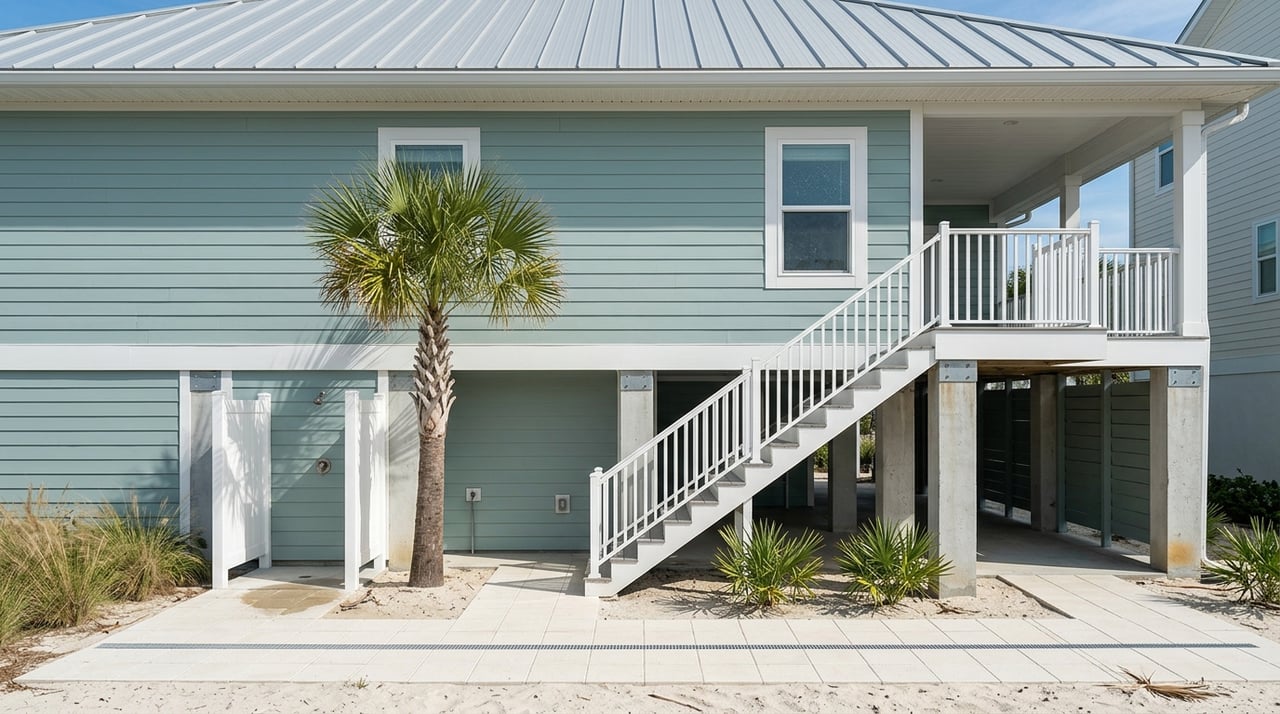
Buying a vacation home in Santa Rosa Beach can feel exciting right up until the inspection period starts raising bigger questions. Is the home insurable? Can you legally rent it short term? Are past improvements properly permitted, especially near the coast? If you want a property that works for personal use and income potential, your due diligence has to go beyond a standard home inspection. Let’s dive in.
Why due diligence matters here
In Santa Rosa Beach, you are not just evaluating square footage, finishes, and views. You are also evaluating flood exposure, coastal construction rules, insurance readiness, and vacation-rental compliance.
That matters because a beautiful home can still become a complicated asset if key records are missing or rental requirements were overlooked. The smartest buyers treat the inspection period as a full review of the property’s condition, insurability, and legal use.
Start with rental rules
If you plan to use the home as a vacation rental, confirm that early. In Walton County, short-term vacation rentals require annual registration, and the property must be certified before it is advertised or rented.
The county also states that operating without registration can lead to a $500 per day penalty. Florida also requires a Vacation Rental-Dwelling license through DBPR before a new or transferred lodging operation begins.
Walton County defines a short-term vacation rental as a unit rented more than three times in a calendar year for periods of less than 30 days or one month, whichever is less, or advertised as regularly rented to guests. If the plan is to rent for 30 consecutive days or less, a permit is required.
There is one important wrinkle for condo buyers. Walton County notes that condominiums are excluded from the county certification process, but state licensing and tax registrations may still apply.
Review taxes before closing
Vacation-rental use also creates tax setup requirements. Florida Department of Revenue says rentals of six months or less are subject to state sales tax, any applicable discretionary surtax, and local transient rental taxes.
Walton County has separate tourist development tax districts north and south of the bay. The county clerk also warns that Airbnb and VRBO do not remit Walton County tourist development tax on the owner’s behalf, so you should verify how that account will be handled before you close.
Inspect the home like a coastal asset
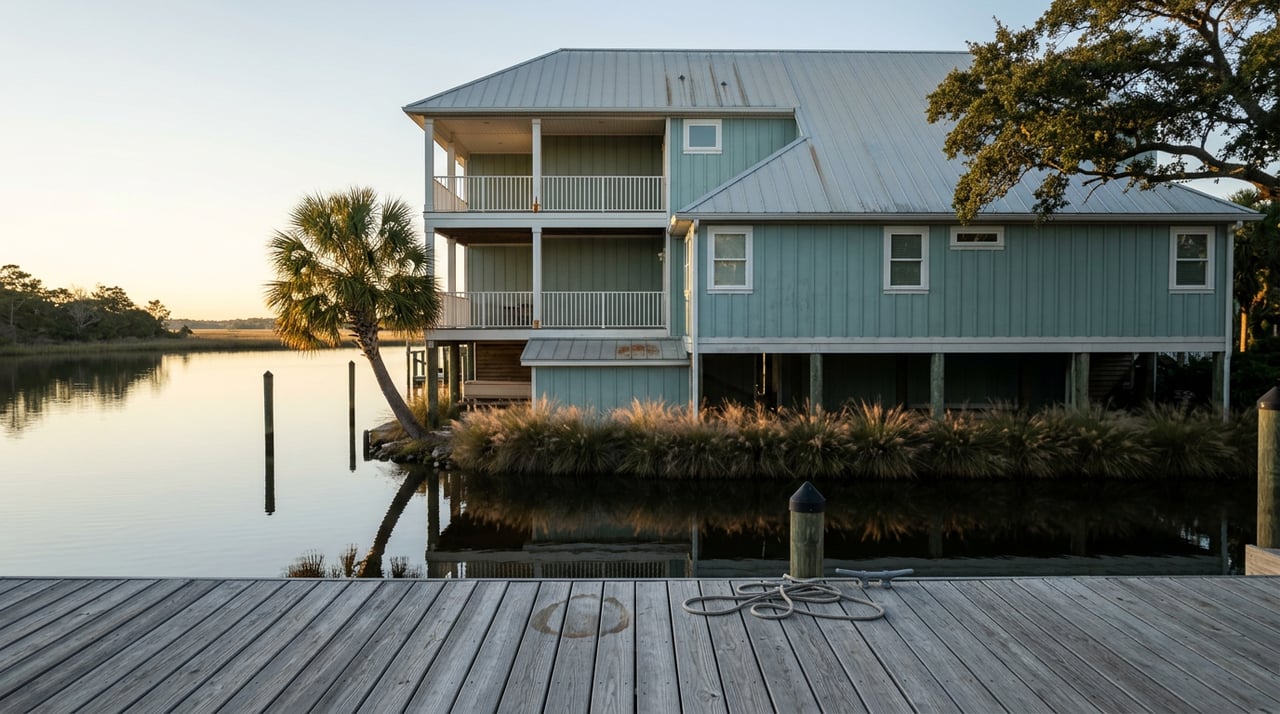
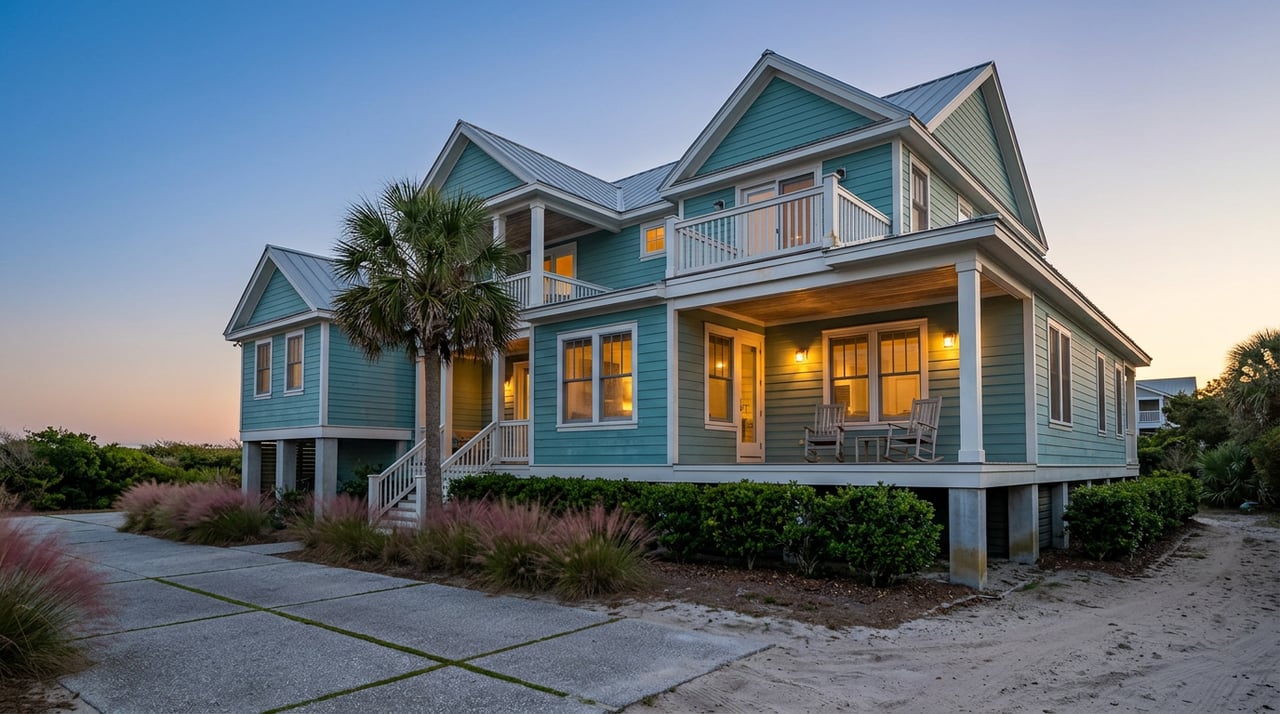
A standard home inspection is the baseline, not the finish line. In a coastal market like Santa Rosa Beach, you also want close review of the roof, windows and doors, moisture pathways, and any lower-level enclosed or elevated areas.
Salt air, wind exposure, and water intrusion risks can turn deferred maintenance into a much bigger expense. That is why condition, documentation, and permit history all need to be reviewed together.
Four-point inspections matter
For older homes, a four-point inspection is often part of the insurance conversation. Florida’s consumer guide says a four-point inspection focuses on roofing, electrical, plumbing, and HVAC.
Citizens says it requires a four-point inspection for certain property-owner, dwelling, and mobile-home applications on properties more than 20 years old. Citizens also says older roofs may need documentation showing at least five years of remaining useful life, and if less than five years remain, a full roof replacement must be documented before coverage is written.
Wind mitigation can affect insurability
A wind mitigation inspection is another smart step during due diligence. The Florida Office of Insurance Regulation says the Uniform Mitigation Verification Inspection Form was updated effective April 1, 2026, and is valid for up to five years if no material changes are made to the structure or inaccuracies are found.
For buyers, that means a current wind mitigation report and roof photo set can be useful well before the insurance deadline. It is also important to use an inspector authorized under Florida law.
Check flood zone and elevation data
Flood review should happen early, not after the contract is deep into escrow. Walton County participates in FEMA’s Community Rating System as a Class 6 community, which the county says provides a 20% discount on new or renewing flood policies for properties in Special Flood Hazard Areas.
The county also notes that the South Walton Flood Insurance Rate Map became effective on December 30, 2020. FEMA treats the Flood Map Service Center as the official source for NFIP flood-hazard information, so buyers should verify the property’s current flood zone using that source.
If the home is in a flood zone, confirm whether an elevation certificate already exists. You should also verify the base flood elevation and how the first-floor height may affect insurance costs.
Coastal high hazard areas need special care
If the property sits in a Coastal High Hazard Area, construction limitations become even more important. FEMA says floodproofing is not permitted for residential structures below base flood elevation in Zone V, VE, or V1-30.
In practical terms, that means compliant elevation and construction matter more than trying to patch a risk after purchase. For luxury and investment buyers, this is one of the most important checks in the entire file.
Verify permits and coastal improvements
In Santa Rosa Beach, site history matters almost as much as visible condition. Walton County’s building checklist requires a septic tank permit or a water and sewer availability letter, and it calls for stamped and sealed plans when a project is in the coastal construction zone.
The county checklist also requires a flood-zone statement on plans when a property is in a flood zone. It lists special setbacks near creeks, wetlands, bays, rivers, and coastal lakes.
Florida DEP regulates coastal construction activities that can destabilize dunes, cause beach erosion, or interfere with public access. Because of that, prior permits for decks, pools, seawalls, dune work, and shoreline improvements should be verified, not assumed.
Review septic and well records
If the home is not on public utilities, ask for the full permit and approval trail. Walton County says a structure may not be occupied until DEP has approved the final onsite sewage system installation.
If there is a private well, the Florida Department of Health strongly recommends testing for bacteria and nitrate at least once a year. For a buyer, current records can help you avoid surprises after closing.
Check association documents carefully
If the property is in an HOA or condominium, association review deserves its own checklist. For Florida HOAs, the buyer must receive a disclosure summary before signing, and if it was not delivered, the contract can be voided within three days after receipt.
Florida law also gives buyers and mortgagees the right to an estoppel certificate within 10 business days. HOA official records must be kept in Florida for at least seven years and made available for inspection or copying within 10 business days after a written request.
Condo disclosures are broader
For condominiums, the resale package is more detailed. Florida law says prospective purchasers are entitled to the declaration, articles, bylaws and rules, annual financial statement and budget, milestone summary if applicable, the most recent structural integrity reserve study or a statement that none exists, any turnover inspection report if applicable, and the required FAQ document.
The contract must also disclose whether a required milestone inspection or reserve study has not been completed when applicable. In a coastal market, those details can affect both near-term costs and long-term planning.
Milestone and reserve studies matter
Florida’s milestone law says buildings that are three habitable stories or more must have a milestone inspection by the year they reach 30 years of age and every 10 years after that. A local enforcement agency may require the inspection by age 25 if proximity to salt water justifies an earlier timeline.
Florida’s structural integrity reserve study law requires a study at least every 10 years for qualifying condominium buildings three stories or higher. Older owner-controlled associations had to complete an initial study by December 31, 2024.
Confirm life-safety compliance for rentals
Vacation-rental compliance is not only about paperwork. Walton County and South Walton Fire District also treat rentals as a life-safety issue.
The South Walton Fire District rental safety checklist calls for visible address numbers, emergency illumination, fire extinguishers on every level, smoke detectors in sleeping rooms, and carbon monoxide detectors near sleeping rooms and on every floor for homes with gas appliances or an attached garage. It also calls for escape plans on the third floor or higher and annual inspections of alarms or sprinklers where installed.
Walton County’s FAQ says there is no grace period for life-safety compliance. If you intend to rent the property soon after closing, this review should happen during contingencies, not after.
Build a strong buyer packet
A smart inspection file for a Santa Rosa Beach vacation home should include more than one report. The goal is to understand whether the property is habitable, insurable, and ready for legal short-term rental use.
Here is a practical packet to request before contingencies expire:
- Full home inspection
- Four-point inspection
- Wind mitigation report
- Roof inspection or roof-life documentation if needed
- Flood-zone data and flood-zone determination
- Elevation certificate if one exists
- Permit history and final inspections for roofs, windows, decks, pools, additions, seawalls, and dune or shoreline work
- HOA or condo disclosures, budget, estoppel, recent minutes, and milestone or reserve-study documents where applicable
- DBPR Vacation Rental-Dwelling license status if the home has been operated as a rental
- Walton County registration status if short-term rental use is part of your plan
- Walton County tourist development tax setup if you plan to rent
- Septic approval records and private well testing results if the home is not on public utilities
A better way to approach the inspection period
In Santa Rosa Beach, the inspection period should answer three questions at the same time. Is the home physically sound? Is it insurable at acceptable terms? Can it be operated the way you intend to use it?
That is especially important if you are buying a premium coastal property with both lifestyle value and income goals. A disciplined due diligence process helps you protect the asset, plan for real operating costs, and move toward closing with fewer surprises.
When you want a vacation-home purchase reviewed through both a luxury brokerage lens and an owner-operator mindset, Christopher Harper can help you evaluate the property, the compliance path, and the realities of turning a coastal home into a high-performing asset.
FAQs
What inspections should you order for a Santa Rosa Beach vacation home?
- At minimum, you should consider a full home inspection, plus a four-point inspection, wind mitigation report, and any roof-life documentation needed for insurance underwriting.
What rental permits are required for a Santa Rosa Beach short-term rental home?
- Walton County requires annual registration and certification before a property is advertised or rented, and Florida requires a Vacation Rental-Dwelling license before a new or transferred lodging operation begins.
What flood documents should you review for a Santa Rosa Beach vacation property?
- You should verify the flood zone, review current flood-map data, confirm the base flood elevation, and request an elevation certificate if one already exists.
What association documents matter when buying a Santa Rosa Beach condo or HOA property?
- Buyers should review the disclosure summary, governing documents, budget, financials, estoppel, recent minutes, and any milestone inspection or structural integrity reserve study documents that apply.
What life-safety items are required for Walton County vacation rentals?
- South Walton Fire District calls for items such as visible address numbers, fire extinguishers on every level, smoke detectors in sleeping rooms, and carbon monoxide detectors in homes with gas appliances or an attached garage.
What utility records should you request for a Santa Rosa Beach home on septic or well?
- Ask for septic permits and final approval records, and request recent well testing results because the Florida Department of Health recommends annual testing for bacteria and nitrate.