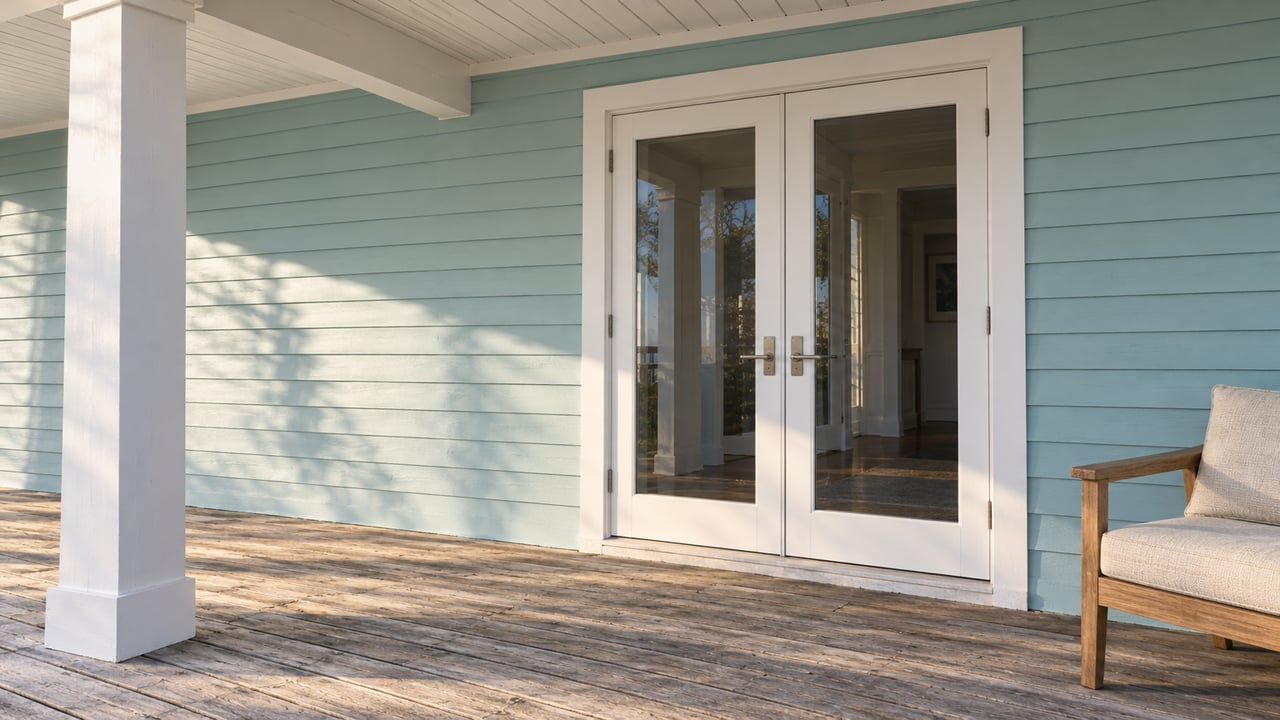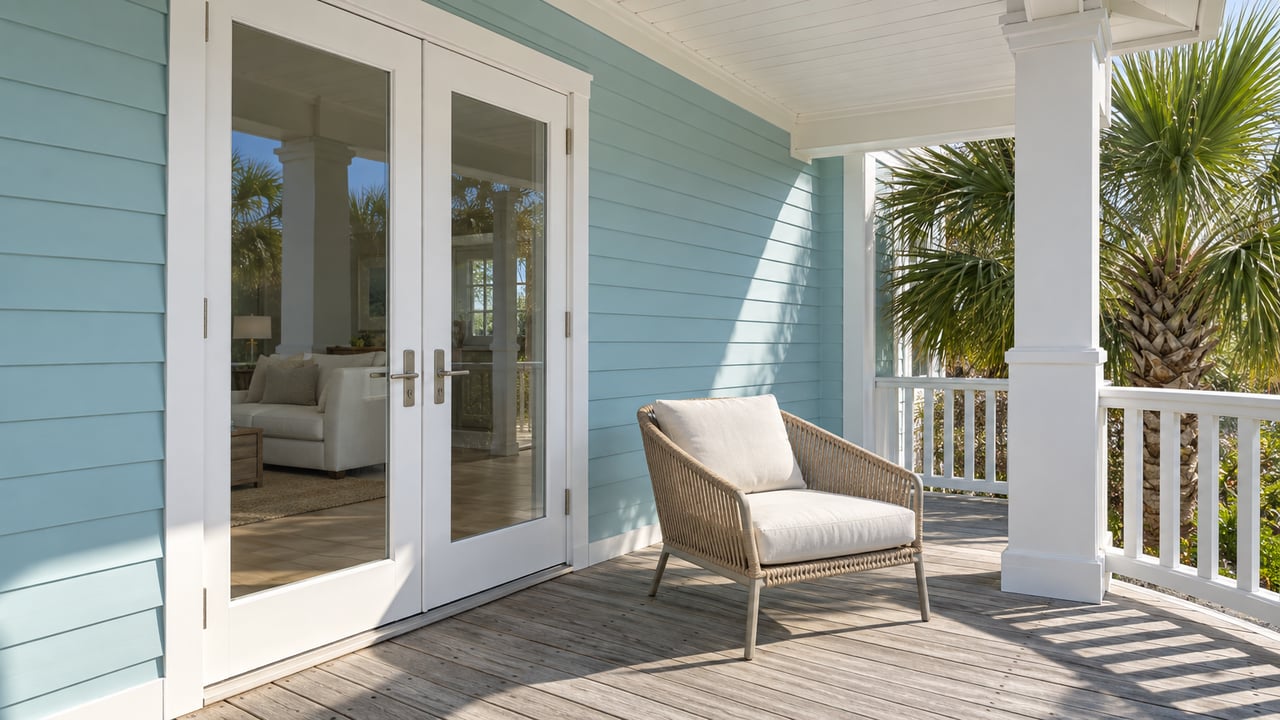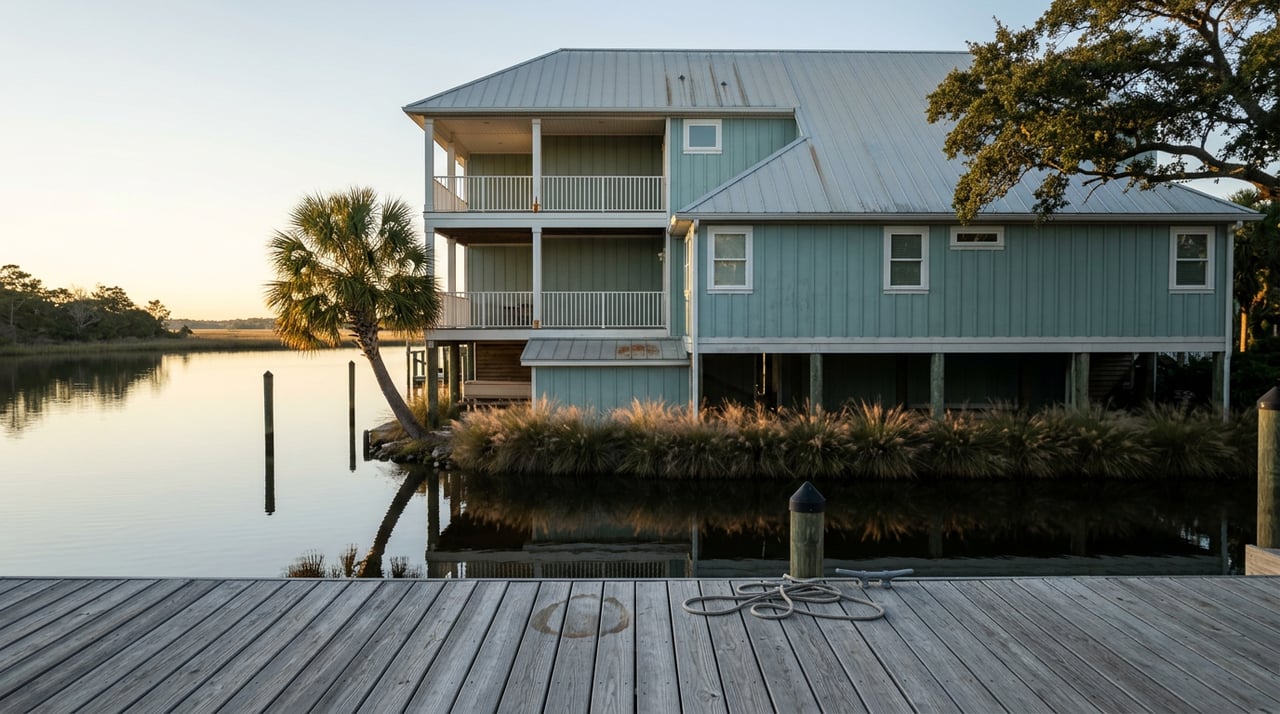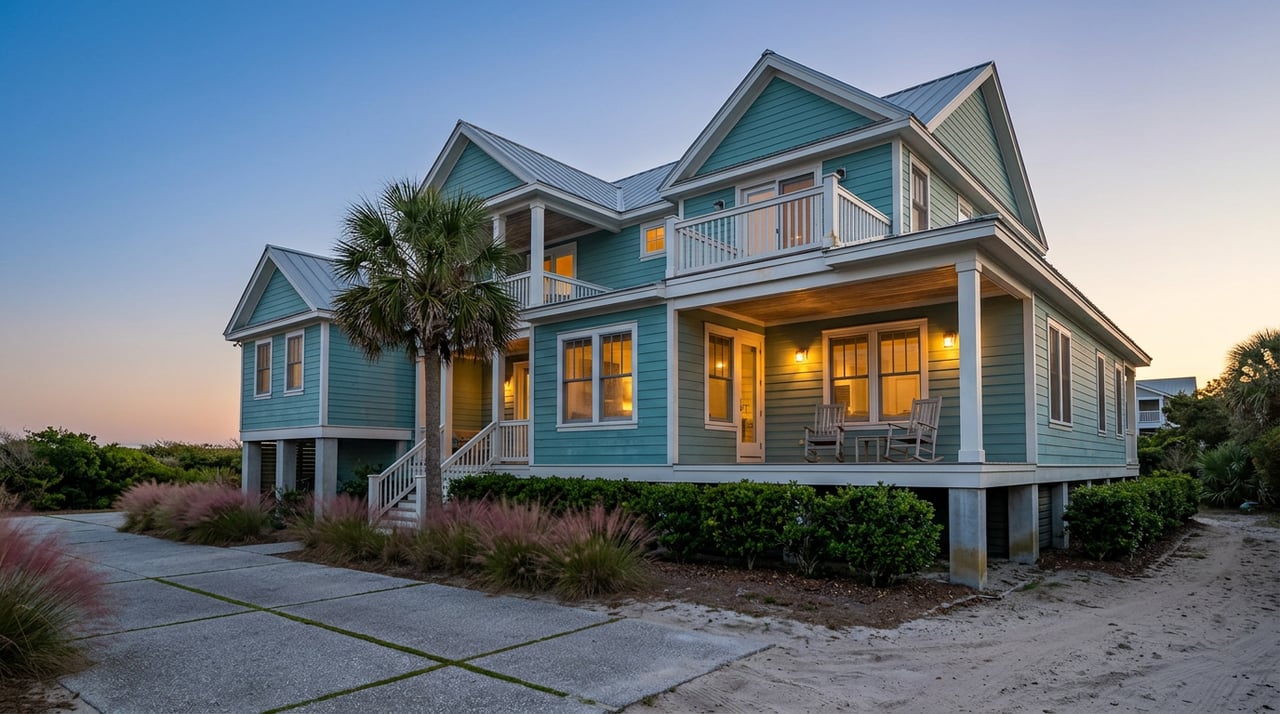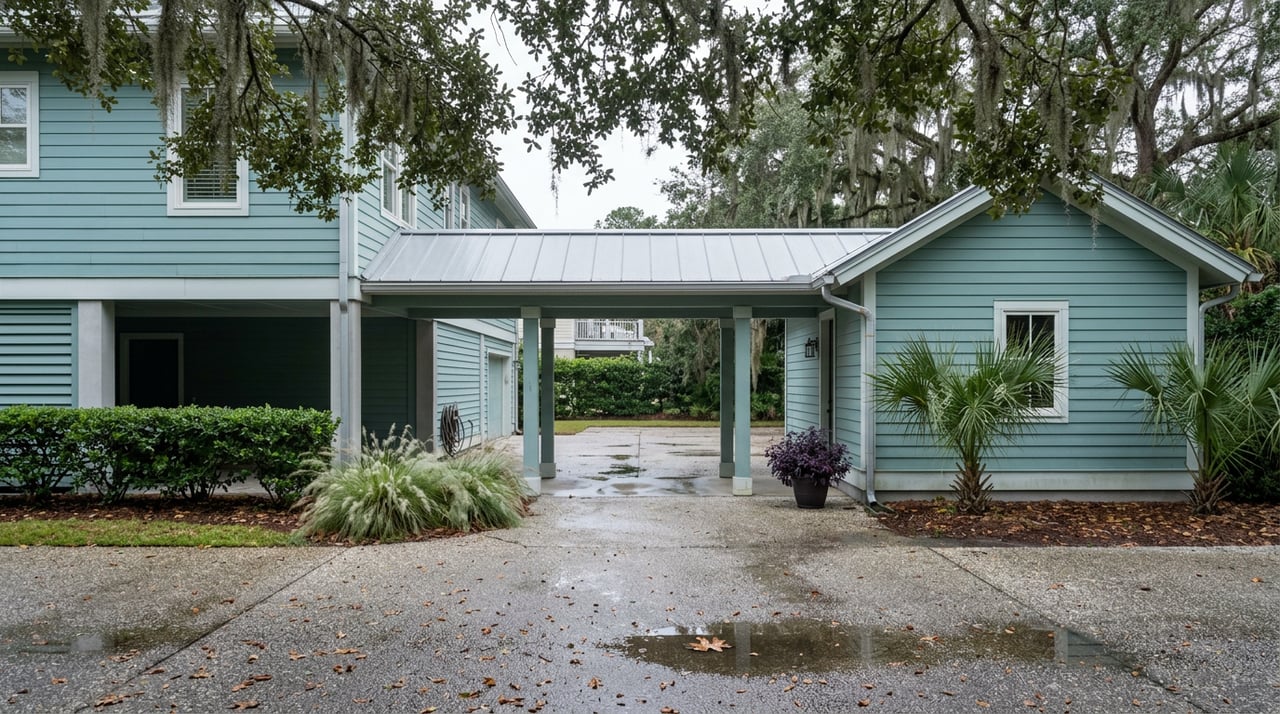
Behind Hibiscus Coffee & Guesthouse on a Thursday morning, a handful of folding tables go up under the oaks. Someone is selling microgreens. Someone else has a cooler of local honey and a card-reader taped to a shoebox. A guitar case sits open near the coffee window, not for money, just for a place to set it down between songs. Nobody is filming this for content. It happens every week, seasonally, and most of the people walking through already know each other's names.
As RivardNet reported, ten years ago, a version of this same scene, a few miles down the road at the Seaside Farmers Market, produced one of 30A's most recognizable food brands. Black Bear Bread Co. did not open with a storefront, a build-out loan, or a menu designed by committee. It opened with two friends and a folding table.
A folding table on Logan Lane
Chef Phil McDonald and restaurateur Dave Rauschkolb, the owner behind Seaside's Bud & Alley's, had been talking about the same problem for years: there was nowhere on this stretch of coast to buy genuinely good, naturally leavened bread. So they baked some, brought it to the Seaside Farmers Market, and set it out to see if anyone besides them cared.
People cared. What started as a weekend test became a small café tucked into the Shops of Grayton on Logan Lane. The name came from an accident of construction: a few local black bears kept getting into test loaves left near a dumpster at the building site, and the crew never bothered looking for a better name after that.
The Grayton Beach café is still there today, open daily from 7 a.m. to 1 p.m., serving naturally leavened sourdough, croissant-based French toast, and a banh mi built on a house-made baguette. From that one location, Black Bear expanded to Grand Boulevard in Miramar Beach and eventually to Seaside itself, now open daily from 7 a.m. to 5 p.m., in partnership with Stumptown Coffee Roasters. Three locations, one bakery, and a story that started on the exact kind of folding table that's still standing behind Hibiscus Coffee every Thursday.
That is not a coincidence. It is how this stretch of coast actually builds its food identity, and it is the part of market week most residents drive past without registering.
The circuit that made it possible
Farmers markets get filed mentally under "produce and honey," a place to pick up dinner ingredients on the way home. That undersells what the circuit is actually doing. Before Black Bear had a lease, it had a table at a market that already existed, already had foot traffic, and already had a built-in audience willing to try something new without much risk to the vendor. The market wasn't a side activity to the bakery. It was the incubator.
The same circuit runs today, and it runs on a schedule locals can set a week by.
| Day | Market | Location | Character |
|---|---|---|---|
| Thursday | Grayton Locals Market (seasonal) | Behind Hibiscus Coffee & Guesthouse | Small, rotating vendors, live acoustic music, shaded by oaks |
| Saturday | Seaside Farmers Market | Seaside Amphitheater | The original proving ground, still the largest weekly draw |
| Sunday | The Market at Gulf Place | The green at CR 393 and Highway 30A | Artsy mix of farm goods and handmade items, dog-friendly, live music |
A few miles east, WaterColor runs its own coastal market out of Cerulean Park, adding a fourth stop for anyone willing to drive a little further for the rotation.
Put together, that's four separate mornings across the week where someone with a folding table and an idea can find an audience without signing a lease. Some of those vendors will stay vendors. A few of them, the way Black Bear did, will turn into something with a storefront and a loyalty program. The market isn't where you go after the food scene has already decided what's good. It's where that decision gets made, one Saturday at a time.
Why September changes the math
Summer crowds do something specific to this circuit: they turn a fifteen-minute errand into an hour. One frequently repeated account from Black Bear's Seaside location describes a line stretching out the door with a wait pushing past an hour, while the Grayton Beach café a few minutes down 30A had almost no line at all on the same morning. Same bakery, same bread, wildly different mornings, purely a function of which door tourists happened to walk past first.
That gap narrows considerably once Labor Day passes. Parking loosens up at Gulf Place. The Thursday market behind Hibiscus stops requiring an arrival time strategy. The people setting up tables get a stretch of months where their actual regulars, not vacation week visitors, make up most of the foot traffic. The shoulder season is when a market vendor finds out if the interest is real or just a byproduct of crowd density.
For residents, September through November is when the circuit works the way it's designed to. You can talk to the vendor instead of standing behind six people trying to. That's not a small thing if you're trying to figure out which new stand might still be there next spring.
The next folding table
October adds one more layer worth watching. WaterColor hosts a multi-day wine and food festival that pulls in chefs and vintners from outside the immediate area, but the reason it works here specifically is that it's dropped on top of a community that already treats food discovery as a weekly habit. The festival isn't introducing people to the idea of trying something new from a table they've never seen before. It's scaling up a behavior that already happens every Thursday, Saturday, and Sunday.
That's the thing about Black Bear's tenth year. It's not really a story about one bakery getting lucky. It's proof that the market circuit does exactly what it's supposed to do when people show up and pay attention. Somewhere on a folding table this fall, behind Hibiscus or under the tent at Gulf Place, someone is running the same experiment McDonald and Rauschkolb ran a decade ago. Most residents will walk past it thinking about honey and tomatoes. A few will notice the thing worth noticing: this is the stage before the stage, and it's happening on a schedule you can already predict.
If mornings like this are part of why you keep finding reasons to stay on this stretch of 30A longer than you planned, whether that means moving closer to the Grayton market circuit or turning a second home nearby into income while you're away, that's a conversation Christopher Harper has every week. His work pairs gulf-front and 30A brokerage with in-house turnkey management through Destin Dreamers, built for owners who want the property without the friction of running it themselves. Request a Valuation & Turnkey Management Plan to talk through what that could look like for your place on this coast.